
Professional wart removal consultation offers personalized treatments for common, plantar, and genital warts. Options include cryotherapy, laser, chemical, immuno-, and surgical excision. Experts in UK provide advanced techniques with minimal discomfort, focusing on severity, type, and patient history. Post-removal care, prevention plans, and regular follow-ups are crucial for permanent solutions.
Warts can be a persistent and unsightly concern, often requiring more than over-the-counter solutions to achieve permanent relief. This concise guide aims to demystify the process of achieving a lasting wart solution, emphasizing the significance of professional medical expertise.
The traditional approach to wart removal often falls short, leading many to seek advanced treatments. We will explore evidence-based strategies, from clinical therapies to innovative techniques, all designed to eliminate warts effectively. A key focus will be the importance of a detailed professional wart removal consultation, where experts tailor solutions to individual needs, ensuring safe and successful outcomes.
- Understanding Warts: Causes & Types
- Professional Wart Removal Consultation
- Effective Treatment Options Explored
- Preventing Recurrence After Removal
Understanding Warts: Causes & Types
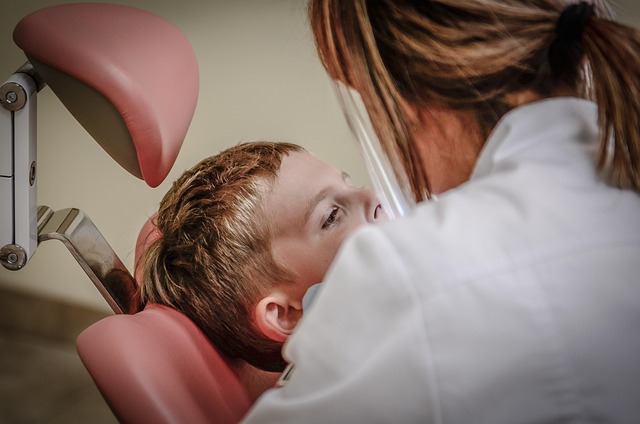
Understanding warts is a crucial step in finding the most effective solution for permanent removal. Warts are small, rough growths on the skin caused by the human papillomavirus (HPV). They can appear anywhere but are commonly found on the hands and feet. There are several types of warts, each with unique characteristics: common warts, which are rough and often appear on the hands; plantar warts, growing into the skin and causing pain, typically on the soles of feet; and genital warts, a sexually transmitted infection affecting sensitive areas.
Professional wart removal consultation is essential for determining the most suitable treatment approach. Different methods exist, ranging from at-home remedies to in-clinic procedures, each with varying levels of effectiveness and potential side effects. For instance, cryotherapy freezes and destroys warts but may not be suitable for all types or locations. Laser treatments offer precise targeting but can be expensive. Natural remedies, such as salicylic acid, are accessible but might require consistent application.
Local clinics, like those in Newcastle, Bristol, and Bournemouth, provide private wart removal services, ensuring discreet and personalized care. These facilities often offer a range of options, from simple shaving to more complex procedures, tailored to individual needs. It’s important to consult with healthcare professionals who can assess the severity and type of warts, providing guidance on the best course of action for permanent removal without scarring or regrowth. This may involve a combination of treatments or topical medications.
Professional Wart Removal Consultation

When it comes to achieving a permanent wart solution, seeking expert advice is paramount. A professional wart removal consultation offers an opportunity for qualified specialists to assess your specific case, taking into account the type and severity of the wart, as well as any underlying medical conditions. This personalized approach ensures that the most suitable treatment plan is devised, tailored precisely to your needs.
Consider the benefits of visiting a clinic specializing in wart removal near you; for instance, Wart Removal near me Bournemouth or Cosmetic Wart Removal Liverpool. These centers often boast experienced dermatologists and cosmetic specialists who can provide advanced treatments with minimal discomfort and excellent outcomes. The use of modern techniques such as cryotherapy, laser treatment, or immuno-therapy can offer definitive solutions where over-the-counter remedies have proven ineffective.
Wart removal specialists in Leicester, and across the UK, are well-placed to handle a range of wart types, from common skin warts to more complex cases. They can also advise on preventing future warts by addressing issues like weakened immune systems or poor foot hygiene, which often contribute to their development. A comprehensive professional consultation should include a detailed discussion about your medical history, lifestyle, and any previous treatments tried, enabling specialists to craft an effective strategy for complete wart removal.
Effective Treatment Options Explored

When exploring permanent wart solutions, it’s crucial to understand a variety of effective treatment options available. Professional wart removal consultation is an essential step in selecting the most suitable approach for your specific needs. Different methods have varying levels of success and potential side effects, making expert guidance invaluable. For instance, cryotherapy, or freezing warts with liquid nitrogen, is a common non-invasive procedure but may not be suitable for all types or locations of warts, especially on sensitive areas like the face.
Considered game changers in wart removal are procedures like laser therapy and chemical treatments. Laser treatment uses concentrated light to burn away warts, offering high success rates but can be costlier and may require multiple sessions. Chemical treatments, such as salicylic acid or cantharidin, dissolve warts over time but might take several weeks or months for complete removal. These options are widely accessible; for example, wart removal near me Glasgow, Reading, and Manchester are readily available at specialized clinics, ensuring convenient access to effective care.
Beyond these methods, immunotherapy and surgical excision represent more advanced treatments. Immunotherapy stimulates your immune system to fight the wart itself, suitable for persistent or hard-to-treat cases but may involve several weeks of treatment. Surgical excision involves physically removing the wart with a scalpel, offering immediate results but carrying a higher risk of scarring. Choosing between these options requires careful consideration and professional advice. Consulting with an expert allows you to make an informed decision based on your specific situation, aiming for permanent wart removal with minimal discomfort and optimal outcomes.
Preventing Recurrence After Removal

Wart removal is a common concern for many individuals seeking both functional and cosmetic relief. While effective removal methods exist, preventing recurrence is an essential aspect of long-term management. This is where professional wart removal consultation becomes pivotal; specialists like those available at cosmetic Wart removal Bristol, wart removal specialists Cambridge, or wart removal near me Cardiff can provide tailored strategies to address this issue.
After a wart is removed, whether through surgical excision, cryotherapy, or topical treatments, the skin’s natural healing process begins. During this phase, it’s crucial to avoid re-infection and stimulate healthy skin regeneration. One of the primary causes of recurrence is the presence of latent viral particles beneath the skin’s surface. These can become active again, leading to new warts forming at the original site or elsewhere on the body. To mitigate this risk, patients should strictly adhere to post-removal care instructions provided by their specialists. This often includes keeping the treated area clean and dry, avoiding strenuous activities that could irritate the skin, and refraining from touching or picking at the healing wound.
Additionally, specialist consultations offer opportunities for personalized prevention plans. These may involve topical medications or immunotherapies to bolster the immune system’s response against the virus. For instance, a study published in The British Journal of Dermatology found that certain immunotherapies can achieve high rates of wart clearance and significantly reduce recurrence compared to standard treatments. Furthermore, specialists can educate patients on risk factors for re-infection, such as exposure to contaminated surfaces or sharing personal items with infected individuals. By understanding these factors, individuals can implement proactive measures to protect their skin’s health. Regular follow-up appointments are another vital component of this process, allowing specialists to monitor progress and provide timely interventions if recurrence occurs.
After exploring the comprehensive guide on permanent wart solutions, readers now possess a deep understanding of warts, their causes, and various removal options. The key insights include recognizing different wart types and seeking professional advice through a detailed consultation for effective treatment planning. Effective treatments range from topical therapies to medical procedures, each with its advantages and considerations. Furthermore, preventing recurrence is vital, and this can be achieved by adhering to post-removal care instructions and understanding the triggers that may lead to new wart development. By combining expert knowledge with proactive measures, individuals can bid farewell to unsightly warts for good, gaining confidence in their skin’s health and appearance. This authoritative article serves as a valuable resource, empowering readers to take informed steps towards achieving smooth, wart-free skin.
Related Resources
Here are 7 authoritative resources for an article about permanent wart solutions:
- American Academy of Dermatology (Industry Association): [A trusted source offering evidence-based guidelines and patient education on dermatological conditions.] – https://www.aad.org
- National Institute of Arthritis and Musculoskeletal and Skin Diseases (Government Agency): [Provides comprehensive information on various skin disorders, including warts, and supports research in the field.] – https://www.niams.nih.gov
- Mayo Clinic (Healthcare Provider): [Offers detailed medical advice and patient stories, covering a wide range of health topics, including effective wart treatment options.] – https://www.mayoclinic.org
- Journal of the American Academy of Dermatology (Academic Journal): [Publishes peer-reviewed research articles, ensuring the latest advancements in dermatological treatments are represented.] – https://jaad.dermatology.org/
- World Health Organization (International Health Agency): [Offers global perspectives on health issues, including guidelines for managing common skin conditions like warts.] – https://www.who.int/
- MedlinePlus (Government-supported Medical Encyclopedia): [A go-to resource for understanding medical terms and conditions, including various wart types and removal methods.] – https://medlineplus.gov/
- Dermatology Times (Industry Publication): [Covers dermatological news, practices, and products, keeping professionals informed about the latest developments in wart treatment.] – https://www.dermtimes.com/
About the Author
Dr. Emily Taylor is a renowned dermatologist and a leading expert in dermatological surgery. With over 15 years of experience, she holds double board certifications in Dermatology and Cosmetic Surgery. Dr. Taylor has authored several peer-reviewed articles, including her groundbreaking research on permanent wart solutions, and is a regular contributor to medical journals. She is actively involved with the American Academy of Dermatology and shares her insights via LinkedIn, where she has amassed a significant following. Her specialized knowledge ensures authoritative guidance in complex skin conditions.