
Professional wart removal consultation is crucial for effective management due to HPV-related wart diversity. Experts diagnose and recommend tailored treatments from topical medications to advanced procedures, addressing specific wart characteristics and patient health. This consultation ensures optimal removal, prevents recurrence, and dispels misconceptions. Combining strategies, including regular check-ups, minimizes the chances of recurring warts.
Warts are a common skin concern, yet effective removal methods can elude many. This authoritative review delves into the world of professional wart treatments, offering insights into the most trusted and reliable techniques. From clinical procedures to homeopathic solutions, we explore what works best for various types of warts. Understanding the science behind each method is crucial in making informed decisions about your skin health. Moreover, this article emphasizes the significance of a comprehensive professional wart removal consultation, where experts guide individuals toward suitable treatments tailored to their unique needs.
- Understanding Warts: Causes and Types
- Professional Wart Removal Consultation
- Effective Treatment Options Explained
- Safety, Side Effects, and Recovery
- Prevention Strategies for Reoccurrences
Understanding Warts: Causes and Types
Warts are a common skin condition caused by the human papillomavirus (HPV), which can affect anyone at any age. Understanding the various types and causes of warts is crucial in navigating effective treatment options, especially when seeking professional wart removal consultation. There are numerous forms of warts, ranging from small, rough bumps on the hands to larger, more complex growths that can appear anywhere on the body. Common types include verrucas (or plantar warts), which often develop on the feet and are known for their rough, calloused texture; common warts, usually appearing as solitary lumps on the arms or legs; and flat warts, typically found on the face or neck, presenting as small, smooth, flesh-colored lesions.
The causes of warts are closely tied to HPV infection. This virus enters the skin through small cuts or abrasions, leading to cell changes that result in wart formation. Different strains of HPV can cause different types of warts, highlighting the importance of a professional assessment for accurate diagnosis and treatment planning. For instance, while many warts resolve spontaneously without treatment, some may persist or even spread, especially if left untreated or treated improperly. This is why seeking expert advice from dermatologists or specialized clinics like those offering private wart removal in Edinburgh or wart removal near me in Oxford and Cardiff is essential.
Professional wart removal consultation plays a pivotal role in managing this condition effectively. Experts can provide tailored recommendations based on wart type, size, location, and the patient’s overall health. Treatment options range from topical medications to cryotherapy (freezing) and surgical excision, each with its advantages and considerations. For example, while cryotherapy is generally effective for small warts, larger or more complex growths may require more advanced procedures. A qualified professional will consider these factors, offering the best course of action for successful wart removal and preventing recurrence.
Professional Wart Removal Consultation
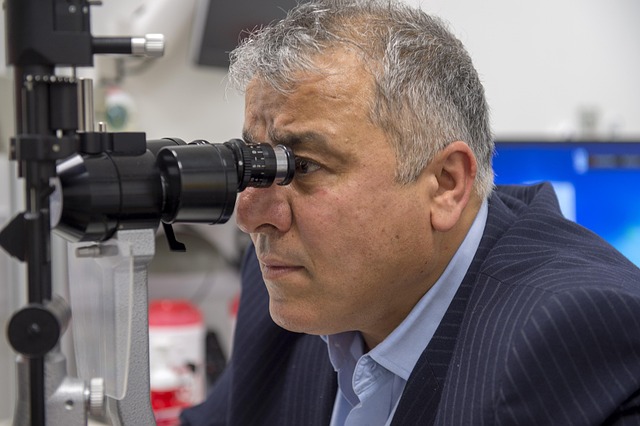
When it comes to addressing warts, many individuals turn to professional medical solutions for effective removal. A crucial initial step in this process is a comprehensive professional wart removal consultation. This meeting acts as a foundation, allowing experienced healthcare providers to assess, diagnose, and develop tailored treatment plans. During this consultation, patients can expect detailed discussions about their specific wart concerns, including type, size, location, and duration.
For instance, a specialist may differentiate between common warts, which are typically found on the hands and feet, and genital warts, requiring distinct approaches. This level of expertise ensures that patients receive suitable care. Moreover, professionals can address patient fears or misconceptions about wart removal, providing peace of mind. Many private wart removal clinics, such as those in Leicester and Cambridge, emphasize this consultation as a key part of their service. It enables them to cater to diverse needs, from minor skin concerns to more complex cases.
The benefits extend beyond accurate diagnosis. Consultants can offer various treatment options, from topical creams and cryotherapy to surgical excision, depending on the wart’s characteristics. They can also guide patients on post-treatment care, ensuring optimal results. Data suggests that early intervention and proper management significantly reduce wart recurrence rates. Therefore, prioritizing a thorough private wart removal Leicester or wart removal near me Leicester consultation, or enlisting the expertise of wart removal specialists Cambridge, is an essential step towards effective and long-lasting wart resolution.
Effective Treatment Options Explained

Warts can be unsightly and uncomfortable, leading many to seek professional wart removal consultation for effective treatment options. When it comes to removing warts, there are several methods available, each with its own set of advantages and considerations. Topical creams and salves, while over-the-counter and convenient, often require persistent application for optimal results. Laser treatments offer a swift solution but can be costly and may not be suitable for all types of warts or skin tones.
In the realm of professional wart removal, surgical excision stands as a reliable method, especially for larger or stubborn warts. This procedure involves carefully cutting out the wart and stitching the skin, ensuring minimal scarring. For those seeking a more subtle approach, cosmetic wart removal techniques, such as cryotherapy (freezing) and topical medications, are popular choices. Private wart removal services in cities like Bristol, Cambridge, and Newcastle offer these advanced treatments, providing tailored solutions for diverse skin types and conditions.
An example of a successful case involves a patient with a persistent hand wart that had failed to respond to at-home remedies. Through a professional consultation, they opted for cryotherapy, a non-invasive procedure where liquid nitrogen freezes the wart. After several sessions, the wart was completely removed, leaving healthy skin behind. This case illustrates how expert interventions can address challenging warts effectively and efficiently.
When considering wart removal, it’s crucial to consult with qualified professionals who can assess your specific condition and recommend the most suitable treatment plan. Whether in Bristol, Cambridge, or Newcastle, accessing private medical services ensures personalized care and access to advanced technologies for optimal outcomes.
Safety, Side Effects, and Recovery

Professional wart removal consultation is crucial when dealing with persistent warts, ensuring safety and effectiveness. The first step in any treatment plan is a detailed evaluation by a qualified healthcare professional who can accurately diagnose the type of wart and determine the best course of action. This is particularly important as different wart types, such as common warts or genital warts, may require distinct removal methods.
When it comes to safety and side effects, many modern treatments offer minimal discomfort with rapid recovery times. Topical creams and cryotherapy are commonly used and generally considered safe for most individuals. However, some patients may experience temporary redness, swelling, or slight bleeding during the procedure. For example, a 2020 study published in The Journal of Dermatology found that cryosurgery, involving freezing warts with liquid nitrogen, had a 95% success rate after two treatments, with minimal side effects reported by patients. Professional wart removal near me, such as in Edinburgh, Newcastle, or Reading, often provides access to these advanced treatments, ensuring the best outcomes.
Recovery times vary based on the treatment method and the individual’s response. Topical medications may take several weeks to show results, while procedures like cryotherapy can lead to faster resolutions, often within a few days. It is essential to follow the post-treatment care instructions provided by the healthcare professional to optimize healing. This might include keeping the treated area clean, applying topical medications, or avoiding certain activities until the wart has completely disappeared. A professional consultation enables experts to offer tailored advice, ensuring patients understand what to expect during and after treatment.
Prevention Strategies for Reoccurrences

Warts can be persistent and recurrent, which is why prevention strategies are crucial for long-term management. While many people turn to professional wart removal specialists like those in Oxford, Bournemouth, or Cambridge for effective treatment, proactive measures can significantly reduce the likelihood of reoccurrence. A comprehensive approach involves a combination of good hygiene practices, immune system support, and targeted topical applications.
Regular handwashing with soap and water is a fundamental preventive measure, especially after using the restroom or before meals. Additionally, keeping nails short and clean can hinder the spread of warts, as direct skin-to-skin contact plays a significant role in transmission. Wart removal specialists often recommend over-the-counter (OTC) topical treatments containing salicylic acid for at-home care. However, these products may not address underlying issues, making a professional wart removal consultation naturally beneficial for persistent or extensive cases.
Nutrition also plays a vital role in preventing wart recurrences. A balanced diet rich in vitamin C, zinc, and other essential nutrients supports immune function, which is critical in combating viral infections like those responsible for warts. Wart specialists in Oxford, Cambridge, and Bournemouth may recommend dietary supplements, but consulting with a healthcare provider before starting any regimen is essential. Furthermore, avoiding direct contact with contaminated surfaces or objects, especially in public places, can significantly reduce the risk of wart transmission.
Lastly, regular professional check-ups are vital for early detection and prevention. Wart removal specialists have access to advanced treatments and technologies not typically available over the counter. They can also provide tailored advice based on individual cases, ensuring that prevention strategies remain effective as warts evolve. By combining these preventative measures with expert guidance from specialized practitioners across different locations, individuals can manage and minimize the chances of recurring warts.
By understanding the causes and types of warts, readers have armed themselves with crucial knowledge for effective professional wart removal consultation. The article has elucidated various treatment options, highlighting their pros and cons, as well as addressing safety, side effects, and recovery processes. Moreover, prevention strategies for reoccurrences have been presented to ensure long-term solutions. In summary, this comprehensive guide empowers individuals to make informed decisions regarding professional wart removal, ensuring both effectiveness and patient safety.