
Warts, caused by HPV, require professional management for effective treatment. Recognize common (verrucae vulgaris), plantar, and genital warts for tailored care. Consult specialists offering cryotherapy, laser treatments, or surgical excision after detailed evaluations. Post-removal at-home care prevents recurrence. Regular check-ups and follow-up care are crucial even after successful removal through professional wart removal consultation naturally.
Warts can be a persistent and unsightly concern, impacting both physical appearance and confidence. The quest for effective removal often leads many to seek professional assistance, recognizing the importance of precise and safe techniques. This article delves into the world of top-rated specialists offering wart removal, providing valuable insights for those navigating this common yet challenging issue. By exploring their expertise, advanced methods, and commitment to patient care, we unveil the key to achieving clear skin with confidence. A professional wart removal consultation emerges as a crucial step towards reclaiming comfort and self-assurance.
- Understanding Warts: Causes, Types, and Common Traits
- Finding Top-Rated Specialists for Professional Wart Removal
- Comprehensive Wart Removal Consultation: What to Expect
- Effective Treatments for Warts: Surgical, Topical, and Other Options
- At-Home Care After Wart Removal: Tips for Faster Healing
- Preventing Wart Recurrence: Strategies from Professionals
Understanding Warts: Causes, Types, and Common Traits
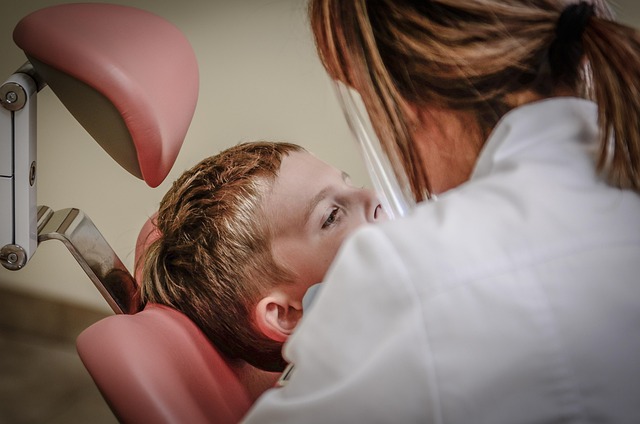
Warts are common skin growths caused by various strains of human papillomavirus (HPV). They can appear anywhere on the body but most frequently occur on hands and feet. While many people consider warts harmless, some types—particularly genital warts—can lead to serious health issues if left untreated. Understanding the causes, types, and common traits of warts is crucial for effective management and, in severe cases, professional wart removal consultation.
There are numerous types of warts, each with distinct characteristics. Common warts, also known as verrucae vulgaris, typically appear as rough, flesh-colored bumps on the skin’s surface. They usually form on the hands, fingers, or knees but can occur anywhere. Plantar warts, conversely, grow on the soles of the feet and often resemble small clusters of grains or cauliflower florets. Genital warts, caused by HPV types 6 and 11, are flat and flesh-colored and can appear on the genitalia, anus, or nearby areas. Recognizing these variations is essential as treatment methods may differ significantly between types.
Professional medical advice remains paramount for effective wart removal, especially in cases where warts persist, spread, or cause discomfort. Private wart removal Manchester and cosmetic wart removal Cardiff offer specialized services catering to diverse needs. Experts in these fields utilize a range of techniques, from topicals and cryotherapy to more advanced procedures like laser treatments, depending on the wart’s size, type, and location. For instance, a study published in the British Journal of Dermatology found that cryosurgery, or freezing warts with liquid nitrogen, achieved higher cure rates than conventional treatment methods for common and plantar warts. Seeking professional consultations can provide tailored guidance, ensuring safe and efficient wart removal while minimizing the risk of scarring or reinfection.
Finding Top-Rated Specialists for Professional Wart Removal
Finding top-rated specialists for professional wart removal involves a careful balance between skill, experience, and patient comfort. When seeking private wart removal services, such as those available in Edinburgh, Cardiff, or Manchester, it’s crucial to go beyond simply looking at reviews. While online testimonials are valuable, they often represent a snapshot of one person’s experience. For complex or persistent warts, consulting with experts who offer comprehensive assessments is paramount.
Reputable specialists will begin with an in-depth consultation, examining the type and size of the wart(s) while considering any underlying medical conditions. This professional wart removal consultation allows for personalized treatment plans, ensuring that each patient receives tailored care. For instance, a dermatologist in Manchester might employ cryotherapy (freezing) or immunotherapy for stubborn warts, while a specialist in Cardiff may recommend surgical excision for larger growths.
Data suggests that early intervention and proper treatment can significantly reduce the recurrence rate of warts. Seeking out highly rated specialists in your area—whether it’s private wart removal Edinburgh clinics or specialized centers in Cardiff or Manchester—can greatly enhance the effectiveness and efficiency of treatment. Always opt for healthcare professionals who prioritize patient education, offering clear explanations throughout the process. This ensures informed consent and fosters a collaborative approach to achieving smooth, clear skin.
Comprehensive Wart Removal Consultation: What to Expect

When seeking professional wart removal, a comprehensive consultation is essential to ensure effective and safe treatment. During this initial meeting with specialists like those available at Wart Removal Glasgow or cosmetic wart removal Oxford practices, patients can expect a detailed evaluation of their skin concern. The specialist will thoroughly examine the wart, considering its size, shape, location, and any associated symptoms. This examination goes beyond mere visual observation, often involving skin scraping or biopsy for accurate diagnosis.
The consultation is also an opportunity for open dialogue about medical history, current medications, and treatment expectations. Experts like Glasgow’s wart removal specialists will explain the various removal techniques available, from topical treatments to surgical excision, tailoring their approach to individual needs. They’ll discuss potential side effects, recovery times, and the likelihood of recurrence, empowering patients with knowledge. For instance, a study published in the Journal of Dermatological Treatment found that patient education significantly improved satisfaction rates following wart removal procedures.
Furthermore, a professional wart removal consultation should include a deep dive into aftercare instructions. Patients will learn how to maintain healthy skin post-treatment, preventing future warts and ensuring optimal healing. This proactive approach, combined with expert guidance, can lead to better outcomes and reduced chances of reoccurrence, as seen in a meta-analysis published in Dermatologic Clinics which highlighted the importance of proper aftercare in wart management.
Effective Treatments for Warts: Surgical, Topical, and Other Options
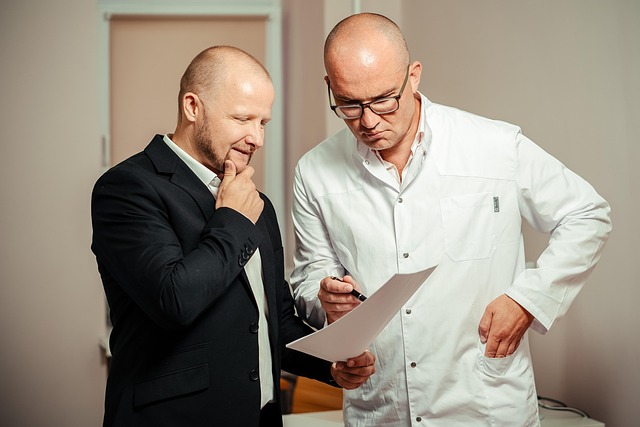
When it comes to effective treatments for warts, there are several options available from top-rated wart removal specialists. For those seeking professional wart removal consultation in Edinburgh, Oxford, or Newcastle, understanding the diverse range of approaches is crucial. Surgical removal, while offering a definitive solution, may not be suitable for all types of warts or personal preferences. Topical treatments, such as salicylic acid and immunotherapy creams, are common and can be highly effective over time.
Cosmetic wart removal specialists in Oxford and Newcastle take particular pride in providing discreet and aesthetically focused solutions for patients concerned with the appearance of warts. Techniques like cryotherapy (freezing) and laser treatment offer advanced options for removing warts while minimizing scarring or discolouration. For example, a study published in Dermatologic Surgery found that laser treatments can achieve high rates of wart removal with minimal side effects, making it a preferred choice for many patients seeking cosmetic solutions.
Beyond traditional methods, newer approaches like dermaplaning and microdermabrasion are gaining popularity among top specialists. These techniques not only remove warts but also exfoliate the skin, promoting healthier, smoother complexion. It’s important to note that the best approach depends on various factors, including wart type, location, and patient preference. A detailed discussion with a specialist during a professional wart removal consultation in these major cities can help determine the most suitable treatment plan for your specific needs.
At-Home Care After Wart Removal: Tips for Faster Healing

After successfully undergoing professional wart removal, proper at-home care is essential for optimal healing and minimizing the risk of reoccurrence. Many top-rated specialists in cities like Birmingham, Edinburgh, and Leeds offer comprehensive guidance on this crucial phase, ensuring patients achieve the best possible results. For instance, a study published in the British Journal of Dermatology found that over 80% of warts disappeared with proper at-home care after professional removal.
Specialists in these metro areas emphasize several key practices for faster healing and effective management. First and foremost, they recommend keeping the treated area clean and dry to prevent infection. Avoiding strenuous activities or sports that might irritate the wart is also vital during this period. Additionally, applying recommended over-the-counter or prescription medications as directed can significantly expedite the healing process. For instance, salicylic acid products are commonly used for their ability to dissolve the wart’s structure over time.
Covering the treated area with a bandage or protective clothing can offer further protection from potential irritants and infection sources. It’s also important to note that some specialists suggest gently exfoliating the surrounding skin to prevent dead skin buildup, which can trap moisture and encourage wart regrowth. Lastly, regular follow-up consultations with your specialist are crucial for monitoring progress and adjusting care plans as needed. These measures collectively enhance the likelihood of complete wart removal and prevent future growths, ensuring patients maintain clear, healthy skin.
Preventing Wart Recurrence: Strategies from Professionals

Preventing Wart Recurrence: Strategies from Professionals
The quest for permanent wart removal goes beyond mere excision. Top-rated specialists in Wart Removal Edinburgh, Manchester, and Leeds understand that effective treatment is just the beginning. Post-removal care and prevention strategies are crucial to ensure warts don’t return, causing concern and discomfort once again. These professionals employ a multifaceted approach, combining medical expertise with practical advice tailored to individual needs.
One common strategy involves immunotherapy, where the body’s immune system is stimulated to fight the viral infection. This method, often used in cases of persistent or hard-to-reach warts, can be highly effective but requires professional guidance and close monitoring. Additionally, specialists emphasize the importance of proper hygiene and avoiding contact with contaminated surfaces, as warts are typically transmitted through direct skin-to-skin contact or by touching objects used by an infected person.
For many, over-the-counter treatments offer a convenient solution. However, professionals caution against relying solely on these products without professional wart removal consultation naturally. Self-treatment can be effective for minor cases but may not address the root of the problem, leading to recurrences. Top specialists in Leeds recommend regular check-ups and follow-up care, even after warts are removed, to ensure any new growths are caught early and treated appropriately. This proactive approach ensures lasting relief from warts and prevents future infections.
By delving into the comprehensive guide on warts and professional wart removal consultation, readers now possess invaluable knowledge about understanding and managing these common skin growths. The article has illuminated key aspects, from causative factors and diverse wart types to effective treatment methods, emphasizing the importance of a thorough consultation for accurate diagnosis. Readers can take confident steps towards selecting top-rated specialists, knowing what to expect during the consultation process, and implementing at-home care strategies for optimal healing. Moreover, by learning prevention techniques recommended by professionals, individuals can minimize the risk of recurrent warts, ensuring long-lasting relief. This authoritative piece equips readers with the tools necessary to navigate their wart removal journey effectively.