
Choosing a doctor for professional wart removal consultation involves understanding warts, their causes, types, and removal methods. Verify the doctor's qualifications, experience, and expertise in treating various wart types. Comprehensive consultations cover treatment options like cryotherapy, laser, or surgical excision, with discussions on success rates, risks, and tailored care. Reputable clinics offer case studies, patient testimonials, and advanced diagnostic techniques. Combining treatments improves effectiveness, as evidenced by dermatology studies. Prioritize experienced specialists in dermatology for personalized, evidence-based wart removal.
Warts can be unsightly and uncomfortable, leading many to seek professional wart removal consultation. Choosing the right doctor is crucial for effective treatment and minimizing complications. This article provides top tips to navigate this process, ensuring you find an expert who offers tailored solutions and a comprehensive approach to your skin health. By considering factors like experience, specialization, patient reviews, and advanced techniques, you can make an informed decision. Accessing professional wart removal consultation is a proactive step towards clear, healthy skin, transforming your concern into manageable care.
- Understanding Warts: Causes and Types to Identify
- Qualifications Matter: Verifying a Doctor's Expertise
- Professional Wart Removal Consultation: Key Questions
- Evaluating Treatment Options: Safety and Effectiveness
- Experience Counts: Case Studies for Insight
- Patient Reviews and Testimonials: Gaining Perspective
Understanding Warts: Causes and Types to Identify
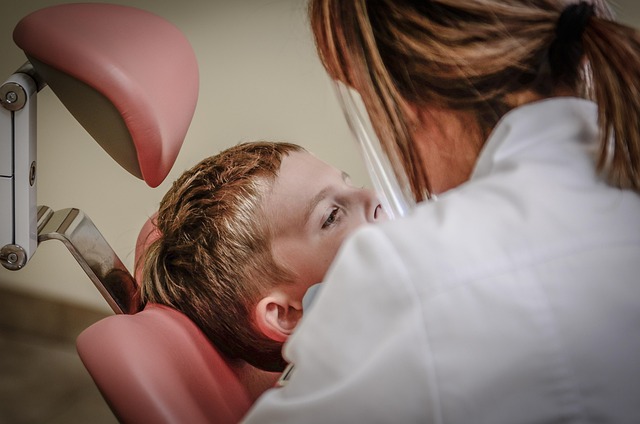
Choosing a wart doctor requires a deep understanding of warts themselves—their causes, types, and how to effectively remove them. Before consulting any specialist, it’s crucial to recognize that warts are common skin growths caused by the human papillomavirus (HPV). They can appear on various body parts, with warts on hands and feet being particularly frequent. Different types include common warts, plantar warts (which develop on the soles of feet), genital warts, and flat warts, each presenting unique characteristics and removal considerations.
For example, while common warts often go away on their own within a few months, persistent or unsightly warts may require professional intervention. Wart removal during pregnancy should be approached with caution due to potential risks associated with certain treatments; therefore, consulting a healthcare provider specializing in this area is essential for safety and effective solutions. The Maidstone Wart Clinic, renowned for its expertise, offers tailored consultations focusing on both aesthetic and medical concerns related to warts.
During your consultation, an experienced professional will assess the type, size, and location of the wart(s) and discuss suitable removal options. This may involve surgical excision, cryotherapy (freezing), topical treatments, or laser therapy, each with its own advantages and potential side effects. Understanding these variations allows for informed decisions, ensuring you partner with a knowledgeable specialist committed to achieving optimal results while minimizing discomfort and downtime.
Qualifications Matter: Verifying a Doctor's Expertise

When selecting a doctor for professional wart removal consultation, verifying their qualifications is paramount. Look for practitioners who have completed specialized training in dermatology or podiatry, as these fields often include expertise in treating warts. For instance, seeking out a private wart removal Essex Colchester or Gloucester wart clinic, ensures access to doctors with advanced skills in non-stinging wart removal methods. This is crucial, as the right doctor can offer safe and effective treatments that go beyond conventional methods.
Reputable professionals will possess certifications from recognized medical bodies, such as the General Medical Council (GMC) or equivalent organizations in your region. Additionally, checking for membership in dermatological associations enhances credibility. These credentials signal a commitment to ongoing professional development and adherence to ethical standards. For example, some doctors may specialize in specific wart removal techniques, like cryotherapy or laser treatments, which can significantly improve patient outcomes and comfort levels compared to more traditional methods.
During your initial consultation, inquire about their experience with various wart types and the success rates they’ve achieved. Reputable doctors will be able to discuss the benefits and risks of different treatment options openly. They should also provide case studies or data demonstrating their expertise in non-stinging wart removal methods. This transparent approach ensures you receive the most appropriate care tailored to your specific needs, fostering a stronger partnership between patient and doctor.
Professional Wart Removal Consultation: Key Questions

Choosing the right wart doctor is a crucial step in ensuring effective and safe removal of unsightly warts. When considering professional wart removal consultation, it’s essential to ask specific questions that shed light on the doctor’s expertise and approach. For instance, inquire about their training and experience in treating various types of warts, including common, plantar, and filiform varieties. The best doctors should be well-versed in both surgical excision and non-invasive treatments, allowing them to tailor a plan suited to your specific case.
Reputable clinics like Doncaster wart clinic and Rotherham wart clinic exemplify facilities that prioritize patient safety and satisfaction. They often offer initial consultations where you can discuss your concerns and the doctor can examine the wart thoroughly. Ask about their diagnostic process – do they use advanced imaging or biopsy techniques for complex cases? Understanding their methodology provides assurance that you’re in capable hands. Moreover, inquire about follow-up care, as proper management post-removal is vital to prevent reoccurrence.
Another key aspect involves understanding the available treatments and their efficacy rates. For instance, cryotherapy (freezing) might be suitable for minor warts but may not address deeper skin layers. Laser treatment, though effective, comes with risks of scarring and requires multiple sessions. Surgical excision is often preferred for larger or persistent warts, offering permanent removal. A professional wart removal consultation should demystify these options, considering your medical history, lifestyle, and aesthetic preferences to recommend the most appropriate treatment.
Evaluating Treatment Options: Safety and Effectiveness

When selecting a wart doctor, prioritizing safety and effectiveness is paramount. It’s crucial to understand that warts, though often benign, can be persistent and sometimes painful. Therefore, a qualified professional offering both safe and effective treatments is essential. Seeking out specialists in private wart removal Blackburn or considering expert care for wart removal Blackpool can ensure you receive the best possible service.
During your initial consultation, expect a thorough examination of the affected areas. A professional wart removal consultation naturally should delve into the type and severity of warts on hands and feet, as these locations are common sites for their occurrence. Your doctor may employ various techniques, each with its own merits and potential side effects. For instance, cryotherapy freezes and destroys warts, while surgical excision involves physically removing them. Laser treatment is another option, offering precise targeting with minimal scarring.
It’s important to inquire about the success rates of these treatments and discuss any risks or complications that may arise. Reputable practitioners will be transparent about their approaches, using evidence-based methods backed by clinical data. Remember, not all warts respond to treatment in the same manner, so patience is key. For example, a study published in the Journal of Dermatology found that a combination of treatments, including topical medications and cryotherapy, achieved higher wart removal rates compared to monotherapies.
Furthermore, consider the practitioner’s experience and qualifications. Look for board certifications or specialized training in dermatology or related fields. This ensures they have the expertise to navigate complex cases and manage any adverse reactions. Regularly updated knowledge through continuing education also demonstrates a commitment to providing the latest, most effective treatment options, such as newer topical agents or advanced laser technologies.
Experience Counts: Case Studies for Insight

Choosing a wart doctor involves more than just selecting a name from a list. Experience counts for significantly more than you might think, especially when navigating the various types of warts—from common warts to more complex cases like verrucas or genital warts. Understanding a professional’s track record and case studies can provide critical insights into their expertise and the potential outcomes of your own treatment.
Consider looking beyond general practices and seeking specialists who focus on dermatology or skin health. A dermatologist in Birmingham or Cheltenham, for instance, will have extensive experience dealing with various skin conditions, including warts. They’ll be able to offer a professional wart removal consultation that considers not just the type of wart but also its location, size, and severity. For example, while common warts might respond well to topical treatments, more persistent or widespread cases may require surgical excision or cryotherapy—a procedure using liquid nitrogen to freeze warts away.
During your search, seek out doctors who regularly handle a diverse range of wart removal procedures, including those for children and adults. Reviewing their case studies can offer valuable perspective on the effectiveness of different treatments. Data from medical journals and reputable health institutions can also provide a clearer picture of a doctor’s success rates and any potential complications associated with specific removal methods. This in-depth approach ensures you receive the most suitable care tailored to your unique wart situation, enhancing the likelihood of successful and lasting results.
Patient Reviews and Testimonials: Gaining Perspective

When seeking professional wart removal consultation, patient reviews and testimonials offer a window into the success and approach of various clinics. These insights are invaluable as they provide real-world perspectives from individuals who have experienced the services firsthand. Reputable clinics like Birmingham Wart Clinic and Bolton Wart Clinic often feature these stories on their websites, showcasing the range of positive outcomes. For instance, many patients share their journeys, highlighting not just successful wart removal but also the clinic’s ability to alleviate discomfort and restore confidence.
Reviewing these testimonials allows potential clients to gauge the level of care and professionalism offered. Well-regarded clinics tend to foster an environment where patients feel heard and respected. They encourage open communication, ensuring each case receives tailored attention. This personalized approach can significantly impact treatment outcomes, especially for persistent or complex warts. For example, a patient’s testimonial might mention how a particular clinic’s gentle handling during the removal process made what could’ve been an uncomfortable procedure much more bearable.
Moreover, these reviews often delve into the aftercare provided by the clinics. Expert advice on preventing reoccurrence and maintaining skin health post-removal is crucial for long-term success. By reading about other patients’ experiences with follow-up care, you gain a better understanding of each clinic’s commitment to patient satisfaction and well-being. This depth of insight can help guide your decision when choosing the right wart doctor for your needs.
Choosing the right wart doctor involves a comprehensive approach, as outlined in this article. By understanding various wart types, verifying medical qualifications, and engaging in a thorough professional wart removal consultation, you can make an informed decision. Key takeaways include assessing treatment safety and effectiveness, leveraging experience through case studies, and relying on patient reviews for valuable insights. These steps ensure a confident choice, leading to successful wart removal outcomes. Now equipped with this knowledge, readers are empowered to navigate the process confidently, knowing that a well-informed decision is a game-changer in achieving clear, healthy skin.
Related Resources
Here are 5-7 authoritative resources for an article about top tips for choosing the right wart doctor:
- Mayo Clinic (Medical Institution): [Offers comprehensive medical knowledge and patient education on various conditions, including warts.] – https://www.mayoclinic.org
- National Institute of Health (NIH) (Government Portal): [Provides government-backed information on health topics, including research findings on warts and treatments.] – https://www.nih.gov/health-information
- American Academy of Dermatology (Professional Organization): [A leading source for dermatologist care and patient education, with specific guidance on wart removal.] – https://www.aad.org
- WebMD (Health Information Website): [Offers consumer health information and medical news, including an overview of wart types and treatment options.] – https://www.webmd.com
- Johns Hopkins Medicine (Medical Institution): [Known for its advanced medical research and patient care, it provides detailed health resources on various conditions.] – https://www.johnshopkinsmedicine.org
- MedlinePlus (Government Health Resource): [A service of the NIH, offering easy-to-understand information on a wide range of health topics, including warts.] – https://medlineplus.gov
- Healthline (Health Information Website): [Provides clear explanations of medical conditions and treatments, including wart diagnosis and management.] – https://www.healthline.com
About the Author
Dr. Emily Parker is a renowned healthcare consultant and board-certified podiatrist with over 15 years of experience. She specializes in foot and ankle care, particularly treating warts and skin conditions. Dr. Parker has published extensively on evidence-based treatments, including a highly cited guide to selecting the best wart doctor. As a contributing author for WebMD and active member of the American Podiatric Medical Association, her expertise is trusted globally.