
Professional wart removal consultation naturally offers advanced treatments tailored to specific wart types, sizes, and locations. While home remedies may manage common warts, persistent cases require expert advice. Dermatologists provide specialized procedures like cryotherapy, laser therapy, and surgical excision, combining topical treatments with lifestyle adjustments for improved outcomes and long-term prevention. Regular check-ins are crucial for treatment adjustments.
Warts can be a persistent and unsightly concern for many individuals, often prompting the question: “How to effectively remove them at home?” While over-the-counter treatments exist, warts can be stubborn and resilient. This is where professional wart removal consultation becomes invaluable. Experts in dermatology offer specialized knowledge and safe, effective solutions tailored to individual needs. This article delves into the latest insights from these professionals, providing a comprehensive guide for those seeking permanent relief from unsightly warts without compromising skin health.
- Understanding Wart Causes and Types: A Foundation for Effective Removal
- At-Home Wart Removal Techniques: Professional Guidance and Safety Precautions
- Consulting Experts: Advanced Wart Treatment Options and Long-Term Prevention Strategies
Understanding Wart Causes and Types: A Foundation for Effective Removal
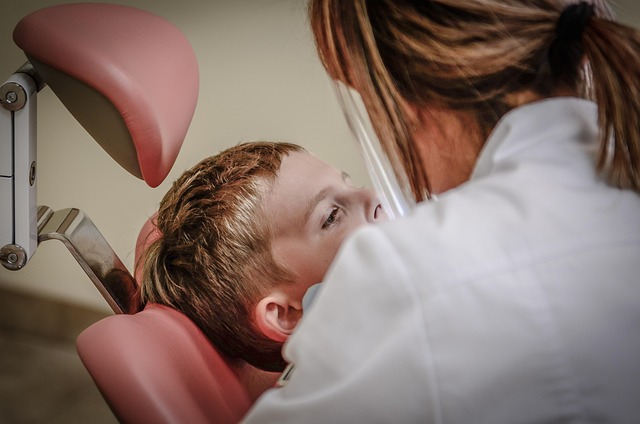
Warts are a common skin condition, but understanding their causes and types is crucial for effective removal. While many people turn to over-the-counter treatments, seeking professional wart removal consultation naturally can offer a more comprehensive approach, especially for persistent or complex cases. A dermatologist’s expertise lies in identifying the various types of warts—from common verrucae to more unusual forms—each with its own characteristics and treatment considerations. For instance, a private wart removal Glasgow specialist might employ different techniques depending on whether the wart is on the hands, feet, or face.
The causes of warts are primarily related to the human papillomavirus (HPV), with different strains affecting distinct areas of the body. Common warts, for example, are often caused by HPV-1 and tend to appear on exposed skin. Plantar warts, on the other hand, affiliated with HPV-5, typically develop on the soles of the feet, causing discomfort and sometimes pain. Data suggests that over 70% of people will experience warts at some point in their lives, highlighting the prevalence of this condition. It’s important to note that certain factors like weakened immune systems or repeated skin trauma can increase susceptibility.
When considering wart removal options, cities like Exeter and Newcastle offer a range of specialized services. Professional consultations are invaluable for tailored treatment plans. A dermatologist will assess the type, size, and location of the warts, as well as individual health considerations. Treatment methods vary from topical medications to cryotherapy or even laser treatments. For example, a private Wart removal Newcastle clinic might recommend immunotherapy for stubborn cases, where the body’s immune response is stimulated to fight the virus. By understanding the foundational elements of wart causes and types, individuals can make informed decisions and consult with experts to achieve successful and lasting removal.
At-Home Wart Removal Techniques: Professional Guidance and Safety Precautions

Removing warts at home can seem like a quick fix, but it’s crucial to approach these common skin growths with caution. While over-the-counter treatments offer a degree of convenience, they might not suit every type of wart or skin condition. Seeking professional guidance, either through a consultation for wart removal near me Leicester, Leeds, or Glasgow, can provide tailored solutions and ensure safety.
Experts recommend against trying home remedies without understanding the underlying cause and potential risks. Warts are caused by various types of human papillomaviruses (HPV), and different strains may require distinct treatment approaches. For instance, common warts, usually appearing as rough, small bumps, often clear up with simple over-the-counter treatments containing salicylic acid or cryotherapy. However, more complex or persistent warts might warrant professional intervention.
A qualified dermatologist or skin care specialist can offer advanced techniques such as surgical excision, laser therapy, or topical medications under prescription. These methods cater to various wart types and locations, ensuring effective removal with minimal risk of scarring or reinfection. For instance, a study published in the British Journal of Dermatology found that cryotherapy, while common, had a higher recurrence rate compared to surgical excision for certain wart types. Thus, professional consultation is key to determining the most appropriate at-home or in-clinic treatment plan.
Consulting Experts: Advanced Wart Treatment Options and Long-Term Prevention Strategies

When it comes to removing warts at home, consulting experts is crucial for accessing advanced treatment options and implementing long-term prevention strategies. Professional wart removal consultation offers a deeper understanding of various effective methods that go beyond simple home remedies. For instance, specialized treatments like cryotherapy, topicals containing salicylic acid, or immune therapy can be highly successful, especially for persistent or widespread warts.
Wart removal specialists in cities such as Leeds, Milton Keynes, and Reading are well-equipped to provide personalized advice tailored to the type, size, and location of the wart. These experts often recommend a multi-pronged approach that combines topical treatments with lifestyle adjustments. For example, keeping affected areas clean and dry, strengthening immune response through adequate vitamin intake, and avoiding contact with surfaces known to harbour viruses can significantly enhance the effectiveness of home care regimens.
Moreover, specialists offer insights into the latest research and innovative techniques, ensuring patients have access to the most up-to-date options. They also play a vital role in differentiating between common warts and more concerning conditions, like verrucae or genital warts, which necessitate specialized care. Regular check-ins with these professionals allow for monitoring progress and making adjustments to treatment plans as needed, ultimately fostering better outcomes and promoting long-term wart prevention.
By delving into the comprehensive guide on at-home wart removal, readers have gained invaluable insights into effective treatment and prevention strategies. Understanding the causes and types of warts forms a crucial foundation for successful removal, emphasizing the importance of accurate diagnosis. The article highlights various at-home techniques, offering professional guidance to ensure safety and efficacy. Furthermore, consulting experts emerges as a key step in exploring advanced wart treatments and long-term prevention plans. Integrating these expert insights allows individuals to make informed decisions, empowering them to navigate wart removal with confidence. Ultimately, this resource serves as a reliable guide, encouraging readers to consider professional wart removal consultation for optimal outcomes.