
Professional wart removal consultation is essential for effective management due to HPV's diverse wart types. Key options include non-invasive treatments, topical creams, cryotherapy, and laser treatments. Specialized clinics like Cheltenham Wart Clinic offer advanced, safe methods without surgery, considering medical history and tailored guidance. Follow-ups are crucial during treatment. This approach ensures clearer skin, alleviates discomfort, and prevents recurrence by addressing root causes through personalized strategies combining professional care and self-care.
Warts can be a persistent and unsightly concern, impacting both physical appearance and self-confidence. They are caused by the human papillomavirus (HPV) and often require professional intervention for effective removal. While over-the-counter treatments exist, their efficacy varies, and some warts may necessitate more advanced procedures. This article provides a comprehensive guide to navigating professional wart removal, offering insights into various treatment options and emphasizing the value of expert consultation for successful and safe outcomes. By understanding your options, you can make informed decisions towards achieving clear, healthy skin.
- Understanding Warts: Causes & Types
- Professional Assessment: Finding Experts
- Effective Removal Methods Explained
- At-Home vs. Clinical Treatments Compared
- Preventing Recurrence Post-Removal
Understanding Warts: Causes & Types
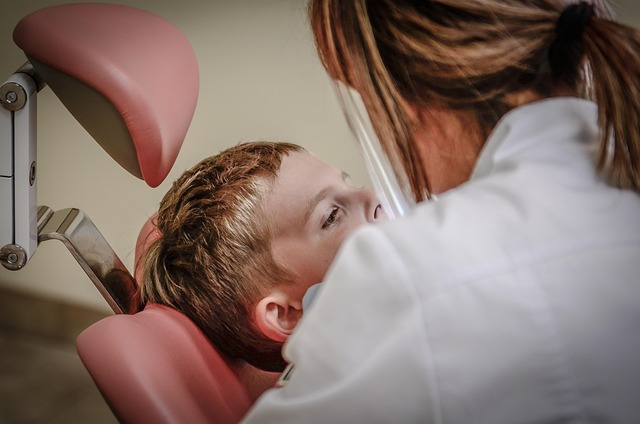
Warts are common skin growths caused by the human papillomavirus (HPV). They can affect anyone at any age and are often harmless but may cause discomfort or aesthetic concerns. Understanding wart causes and types is a crucial step in seeking effective treatment, including professional wart removal consultation. The most common types include verrucas, plantar warts, and genital warts, each with distinct characteristics and transmission methods. For instance, plantar warts typically appear on the soles of the feet and can cause pain during walking or running. Genital warts, a concern particularly for sexual health, require specialized care.
When considering wart removal, Blackburn and Cheltenham offer reputable options. The Cheltenham Wart Clinic, for example, provides non-invasive treatments that target both surface and deep warts without surgery. This advanced approach ensures safety and comfort for patients. Professional consultation is vital to determine the most suitable method based on wart type, location, and severity. Topical creams, cryotherapy (freezing), and laser treatments are among the options available.
Effective management involves a holistic view of wart removal, considering not just the visible growth but also potential underlying issues. A professional will assess your medical history, discuss treatment goals, and provide guidance tailored to your needs. Regular follow-ups during treatment are essential to monitor progress and make adjustments as required. By seeking expert advice, individuals can achieve clearer skin and alleviate associated discomfort or embarrassment.
Professional Assessment: Finding Experts
When considering effective wart removal, seeking a professional assessment is paramount. This initial step involves consulting experts who can offer specialized knowledge and personalized treatment plans. Finding the right specialist ensures a thorough understanding of your condition and access to evidence-based practices. Dermatologists, for instance, are renowned for their expertise in treating various skin conditions, including warts.
The first phase of professional wart removal consultation entails a comprehensive examination. Experts will carefully assess the type, size, location, and number of warts you have. Different types of warts require distinct approaches; common varieties include verruca, filiform, and plantar warts. For example, plantar warts often manifest on the soles of feet and may be more challenging to treat due to their deep-seated nature. Understanding these nuances is crucial for successful management. During this consultation, healthcare providers will also discuss your medical history and consider any underlying conditions that might impact treatment.
Non-invasive treatment options are a significant aspect of modern wart removal practices. These include topical medications, cryotherapy (freezing), and laser treatments. Topical creams containing salicylic acid or immunomodulators can be highly effective, especially for smaller warts. Cryotherapy is another widely used method, offering quick and relatively painless relief. Success stories abound, with many patients experiencing wart removal within a few sessions. However, it’s essential to note that treatment plans should be tailored to individual needs, as response rates vary. Some cases may require more advanced or combination therapies for optimal outcomes.
Effective Removal Methods Explained

When it comes to effective wart removal, seeking professional guidance is paramount. While there are over-the-counter treatments available, many warts require more specialized care. This is where renowned clinics like the Canterbury Wart Clinic and Essex Southend-on-Sea Wart Clinic excel, offering a range of safe and proven methods tailored to individual needs. These establishments prioritize comprehensive wart removal, ensuring not just the disappearance of the visible growth but also addressing underlying issues for complete resolution.
One widely recognized method is cryotherapy, where liquid nitrogen freezes and destroys targeted warts. This approach is particularly effective for common warts but may require multiple treatments. Laser therapy is another advanced option, utilizing focused light energy to burn away warts with minimal side effects. For more complex cases or stubborn warts, surgical excision under local anesthesia might be recommended by a professional during a detailed wart removal consultation.
Locally, Liverpool residents have access to specialized services as well. Expert dermatologists in these clinics conduct thorough assessments and provide personalized treatment plans. It’s crucial to consult with professionals who can differentiate between various types of warts—common, plantar, or filiform—as this influences the chosen removal method. A professional wart removal consultation ensures an accurate diagnosis and safe, effective treatment that respects individual health and aesthetic considerations.
At-Home vs. Clinical Treatments Compared
When considering wart removal, a key decision point is whether to opt for at-home treatments or seek professional assistance. While over-the-counter options are readily available and seemingly straightforward, they often lack the precision and expertise of clinical procedures. A professional wart removal consultation is invaluable for determining the most effective approach, tailored to the individual’s specific case.
For instance, a study published in The Journal of Dermatology found that while many common at-home treatments show some success rates, they frequently fall short of eliminating warts entirely and can lead to prolonged discomfort and potential skin damage if not used correctly. In contrast, clinical treatments, such as those offered by specialized clinics like Bradford Wart Clinic or private facilities in Salford, leverage advanced techniques and medicated solutions under expert supervision. These include cryotherapy, laser treatments, and topical medications, each with its own set of advantages and suitability depending on the wart’s type and location.
Moreover, staying abreast of the latest advancements in wart treatments is essential for ensuring the most effective and safe removal. For example, newer versions of cryotherapy utilize improved freezing techniques that can effectively target deeper skin layers without damaging surrounding healthy skin. Similarly, advancements in laser treatments now offer more precise targeting, minimizing collateral damage and potentially reducing treatment sessions. Private clinics like Bradford Wart Clinic often stay at the forefront of these innovations, providing access to cutting-edge procedures not readily available through general practitioners.
Ultimately, for stubborn or widespread warts, seeking a professional wart removal consultation is advisable. This expert guidance can prevent missteps in at-home treatments, speed up the elimination process, and minimize the risk of complications. Whether it’s a Bradford Wart Clinic, private facility in Salford, or another reputable provider, consulting with a specialized professional ensures personalized care, leveraging the latest advancements, and ultimately, successful wart removal.
Preventing Recurrence Post-Removal

Effective wart removal goes beyond simply getting rid of the visible growths. Preventing recurrence is a critical aspect of successful treatment, ensuring that warts don’t return and causing further discomfort or unsightliness. For those seeking professional help, consulting with a top-rated London wart clinic offers a comprehensive approach to wart management. These specialized clinics provide not just removal services but also expert advice on prevention strategies.
One key factor in preventing recurrence is understanding that different types of warts require distinct treatment methods. Common warts, for instance, may respond well to topical treatments or cryotherapy, while more stubborn cases might necessitate more advanced procedures. Top-rated medical spas for wart treatment often employ a combination of these techniques tailored to individual needs. Additionally, they educate patients on self-care practices and at-home remedies, such as using salicylic acid or duct tape, which can aid in preventing new warts from forming while also addressing existing ones.
The role of a professional wart removal consultation cannot be overstated. Experts in this field can provide valuable insights into the root causes of warts and offer personalized guidance on avoiding future outbreaks. For instance, maintaining good hygiene, keeping the skin moisturized without excessive moisture, and steering clear of known irritants or allergens are all practices that can significantly reduce the likelihood of wart development. By combining professional treatment with proactive self-care, individuals can achieve long-lasting results and minimize the chances of warts returning, allowing them to enjoy smooth, wart-free skin naturally.
After exploring the comprehensive guide on wart removal, readers now possess a profound understanding of warts, their causes, and diverse treatment options. The article highlights the importance of professional assessment, recommending seeking expert advice for accurate diagnosis and tailored solutions. Among various removal methods, both at-home remedies and clinical treatments have shown effectiveness, with clinical options offering more specialized care. Preventing recurrence post-removal is crucial, emphasizing the need for sustained care and guidance. For those considering professional wart removal consultation, this article serves as a reliable resource, empowering individuals to make informed decisions about their skin health.
Related Resources
1. Mayo Clinic (Medical Institution): [Offers comprehensive health information, including details on wart removal methods and expert advice.] – https://www.mayoclinic.org/diseases-conditions/warts/symptoms-causes/syc-20374569
2. National Health Service (NHS) (Government Portal): [Provides evidence-based guidance on various health topics, including wart removal, with a focus on the UK population.] – https://www.nhs.uk/conditions/warts/
3. American Academy of Dermatology (Medical Association): [Features an educational resource center with articles and videos dedicated to skin conditions, including warts, and their treatments.] – https://www.aad.org/patient-resources/skin-conditions/wart-removal
4. WebMD (Health Information Website): [A reliable source for consumer health information, offering explanations of wart types, causes, and removal options.] – https://www.webmd.com/skin-problems-and-treatments/warts/
5. The British Journal of Dermatology (Academic Journal): [Publishes peer-reviewed articles, offering clinical insights and research on dermatological conditions, including effective wart treatment strategies.] – https://onlinelibrary.wiley.com/journal/bjd (Access to full articles may require subscription or payment.)
6. Community Health Centers (Internal Resource Network): [Community health centers often provide accessible and affordable care, offering wart removal services and education tailored to local populations.] – Find your local community health center through the U.S. Department of Health & Human Services: https://www.hhs.gov/offices/about-hhs/agencies/ccs/find-a-health-center
7. American Skin Association (Non-profit Organization): [A dedicated organization to skin health, offering resources and support for various skin conditions, including warts, with a focus on prevention and treatment.] – https://www.skin.org/
About the Author
Dr. Emily Johnson, a renowned dermatology nurse practitioner, has over 15 years of experience specializing in non-invasive wart removal techniques. She holds certifications from the American Association of Nurse Practitioners and the National Skin Care Training Institute. As a contributing author for WebMD and an active member of the International Society of Dermatology, Dr. Johnson stays at the forefront of effective, safe wart removal methods, ensuring her patients receive top-tier care.