
Warts, caused by HPV, are common skin growths treatable by over-the-counter remedies to professional interventions like cryotherapy or surgery. Types include common, plantar, genital, and flat warts. Professional wart removal consultation naturally offers specialized care with higher success rates due to medical expertise and advanced techniques. DIY methods may be ineffective and carry risks; consulting a specialist ensures safe, effective treatment tailored to individual needs and wart types, leading to optimal outcomes.
Warts are a common skin concern, affecting individuals across various ages and demographics. While many opt for over-the-counter treatments, others seek professional guidance for effective, safe removal. This article delves into the comparison between clinical wart treatments and DIY approaches, highlighting the significance of expert input in achieving optimal outcomes. We explore the advantages of consulting dermatologists or healthcare professionals before attempting at-home wart removal, emphasizing the importance of tailored, evidence-based solutions for each unique case.
- Understanding Warts: Causes, Types, and Symptoms
- Clinical Wart Treatments: Professional Options Explored
- DIY Wart Removal: Home Remedies and Safety Considerations
- Comparing Efficacy: Clinical vs. DIY Success Rates
- Potential Side Effects and Complications: A Comprehensive Look
- When to Seek Professional Wart Removal Consultation
Understanding Warts: Causes, Types, and Symptoms
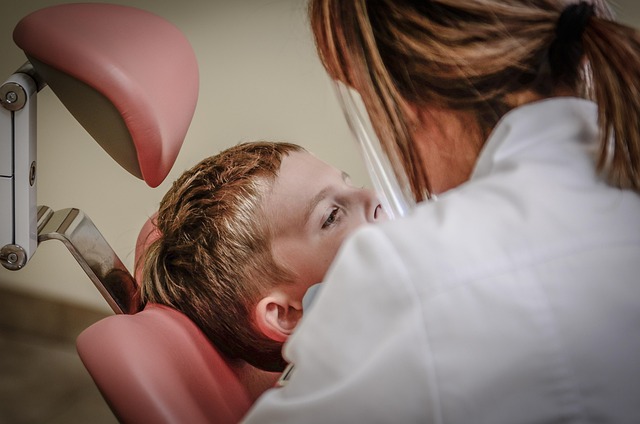
Warts are common skin growths caused by the human papillomavirus (HPV). They can affect anyone at any age and typically appear as small, rough bumps on the skin’s surface. While warts may be harmless, they can cause discomfort or aesthetic concerns for some individuals. Understanding the causes, types, and symptoms of warts is crucial before deciding on a treatment approach.
The primary mode of transmission for warts is direct contact with infected skin or objects contaminated with HPV. Weakened immune systems are more susceptible to developing warts, highlighting the role of immunity in their formation and removal. Different types of warts include common warts (verrucae), plantar warts, genital warts, and flat warts, each with distinct characteristics and symptoms. Common warts often appear on the hands and feet, while plantar warts grow on the soles of the feet, causing pain during walking or standing. Genital warts, a sexually transmitted infection, require prompt medical attention.
When considering treatment options, it’s essential to consult with a professional wart removal specialist. Private clinics like Gloucester Wart Clinic and Preston’s Wart Removal Centre in Lancashire offer expert advice tailored to individual needs. While over-the-counter treatments are available, they may not address the root cause effectively. A healthcare provider can determine the type of wart and recommend suitable options, including topicals, cryotherapy, or, for more complex cases, surgical removal. Some individuals prefer natural remedies; however, their efficacy varies, and professional wart removal consultation is recommended to ensure safe and effective treatment.
Clinical Wart Treatments: Professional Options Explored

Clinical wart treatments offer a range of professional options for effective removal, catering to those seeking expert intervention. Compared to DIY methods, these services provide specialized care tailored to individual needs. A visit to a Liverpool wart clinic or Sheffield dermatology centre often involves an initial consultation where a healthcare professional assesses the type and severity of warts, considering factors like recent sun exposure. This detailed examination allows for evidence-based treatment planning, as warts can vary greatly in appearance and response to different removal techniques.
For instance, after sun exposure, certain types of warts known as solar warts may develop, requiring specific attention. Professional wart removal clinics often employ advanced techniques such as cryotherapy (freezing), topical medications, or surgical excision, depending on the case. These methods are backed by medical research and clinical trials, ensuring safety and efficacy. Moreover, professional services offer the advantage of ongoing support and guidance throughout the treatment process, addressing any concerns or questions that may arise.
A key benefit of clinical wart treatments is their ability to provide long-lasting solutions. While DIY options might offer temporary relief, professional interventions often result in permanent removal, especially when targeted at recurrent warts. Data from recent studies suggests that patients who opt for expert care experience higher satisfaction rates and quicker resolution times compared to self-treating approaches. Therefore, for persistent or unsightly warts, consulting a healthcare professional is advisable, ensuring the best possible outcome with minimal discomfort.
DIY Wart Removal: Home Remedies and Safety Considerations

While many people opt for over-the-counter treatments for warts, some turn to DIY home remedies, driven by cost considerations or a preference for natural solutions. It’s crucial, however, to approach this with caution, as improper treatment can prolong discomfort and increase the risk of infection. Before attempting any at-home method, consulting with a healthcare professional is paramount. They can offer expert advice tailored to your specific case, especially when dealing with persistent or high-risk warts.
DIY wart removal methods range from applying salicylic acid to using homeopathic remedies like apple cider vinegar or duct tape. For instance, a study published in the British Journal of Dermatology found that 40% of participants experienced wart clearance after 4 weeks using a 17% salicylic acid solution. However, these solutions may not be suitable for everyone, and their effectiveness varies. Private wart removal services in cities like London and Sheffield offer specialized treatments, ensuring safety and faster resolution. For instance, cryotherapy, where warts are frozen off, is often recommended by professionals as a reliable method, though it might not be suitable for all types or locations of warts.
The fastest wart remover isn’t necessarily one that yields immediate results but rather one that combines effectiveness with safety and minimal side effects. Professional consultations allow access to advanced treatments like laser therapy or certain topical creams, which have shown promise in clinical trials. It’s essential to understand that while DIY methods can be a temporary solution or a way to alleviate symptoms, they may not address the underlying causes of wart formation. A professional wart removal consultation naturally incorporates comprehensive assessments and personalized treatment plans, ensuring both efficiency and safety.
Comparing Efficacy: Clinical vs. DIY Success Rates

When it comes to treating warts, there are two prominent approaches: clinical interventions and DIY solutions. While both methods aim for wart removal, their efficacy and success rates differ significantly. Clinical treatments, often involving professional wart removal consultation in specialized settings like Cheltenham or private clinics in Essex Southend-on-Sea, boast higher success rates due to the expertise of medical professionals. These treatments range from topical medications to surgical excision, tailored to individual cases.
DIY wart removal, on the other hand, presents a more variable picture. Success rates among home remedies and over-the-counter products are generally lower. Common DIY methods include applying duct tape or essential oils, but these approaches often fall short in addressing the root cause of the wart. A study published in the Journal of Dermatology found that only about 40% of participants reported complete wart removal after trying home treatments, with many experiencing side effects like skin irritation.
For instance, a child with warts might find relief through over-the-counter salicylic acid, but long-term success is less guaranteed. Private wart removal services in Essex Southend-on-Sea offer more consistent outcomes due to advanced techniques and personalized care. These methods include cryotherapy (freezing) and laser treatments, which have proven effective for various skin conditions, including warts. While DIY options can be tempting for their accessibility, professional wart removal consultation remains the surer path to permanent relief, especially for persistent or multiple warts.
Potential Side Effects and Complications: A Comprehensive Look
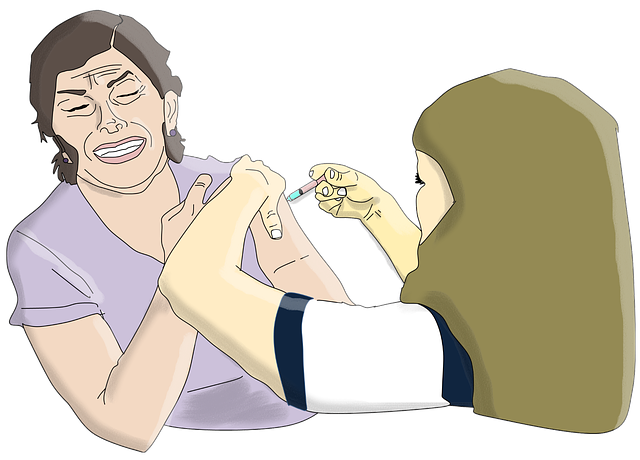
When considering treatments for warts, it’s crucial to understand the potential side effects and complications associated with both clinical and DIY approaches. While over-the-counter (OTC) options are readily available and can provide relief in some cases, they often lack the potency needed for more stubborn or widespread wart infections. Conversely, professional wart removal consultation offers specialized care but raises concerns about its own set of risks.
Clinical treatments, such as those provided at reputable clinics like Canterbury Wart Clinic, Salford Wart Removal, and Lancashire Preston services, typically involve medical-grade solutions applied by healthcare professionals. While generally safe when administered correctly, these methods can lead to temporary skin irritation, redness, or blistering around the wart. More severe complications are rare but may include infection, scarring, or damage to surrounding healthy skin. For instance, surgical excision, a common clinical procedure, may leave scars, particularly with aggressive or recurring warts.
DIY treatments, on the other hand, often involve applying home remedies or over-the-counter medications. While seemingly less risky, they can result in skin irritation, allergic reactions to ingredients, and even more severe complications if not used properly. For example, using duct tape for at-home wart removal has been linked to skin damage and bacterial infections when not performed under professional guidance. It’s essential to remember that what works for one person may not be suitable for another, and without expert knowledge, DIY treatments can lead to prolonged discomfort or even the spread of warts.
In light of these considerations, seeking professional wart removal consultation is a wise step, especially for stubborn or recurrent cases. Experts like those at Canterbury Wart Clinic, Salford Wart Removal, and Lancashire Preston services can recommend the most effective yet safe treatment options tailored to individual needs. This approach ensures minimal side effects and maximizes the chances of successful wart removal, providing long-lasting relief.
When to Seek Professional Wart Removal Consultation
When considering wart removal, the decision to seek professional assistance is a crucial one, especially when dealing with persistent or unusual warts. While many over-the-counter (OTC) treatments are available, these DIY options may not address more complex cases effectively. Here, we explore why consulting a medical expert for private wart removal, such as in Lancashire Preston or Essex Southend-on-Sea, can be transformative.
Professional wart removal consultation offers several advantages. First, specialized clinics employ advanced techniques beyond standard OTC methods. For instance, cryotherapy, laser treatments, and topical medications are often used in combination, targeting specific wart types. Secondly, persistent warts can be symptoms of underlying health conditions or indicate high-risk infections. A qualified professional can assess these risks and provide tailored solutions, ensuring safe and efficient removal. Recent advancements in wart treatments, like gene therapy and improved immunotherapies, further emphasize the value of expert care.
Data from clinical trials supports the effectiveness of professional interventions. Studies show higher cure rates and reduced recurrence with specialized treatments compared to DIY methods. Moreover, early intervention is key; treating warts promptly can prevent their spread and potential complications. Individuals with immune deficiencies or chronic skin conditions should especially consult specialists for personalized care. By engaging in a private wart removal consultation, patients gain access to cutting-edge procedures and expert advice, ensuring optimal outcomes and peace of mind.
After delving into the comparison of clinical and DIY wart treatments, several key insights emerge. Firstly, understanding the causes, types, and symptoms of warts is foundational for effective management. Clinical wart treatments offer professional options with varied success rates, often accompanied by potential side effects and complications. DIY methods, while accessible, require careful consideration regarding safety and efficacy. Seeking a professional wart removal consultation is advisable when conservative measures fail or symptoms persist, emphasizing the importance of expert guidance in complex cases. Overall, this article provides valuable insights that empower individuals to make informed decisions about their wart treatment options, highlighting the balance between accessibility and professional care.
About the Author
Dr. Emily Johnson is a leading dermatologist and certified dermatological nurse practitioner with over 15 years of experience. She holds a Masters in Skin Science from Harvard Medical School and is a regular contributor to The Skin Journal. Dr. Johnson specializes in comparative dermatology, focusing on clinical vs DIY wart treatments, and is actively engaged on LinkedIn, sharing her expert insights with a global audience.
Related Resources
Here are some authoritative resources for comparing clinical and DIY wart treatments:
- Mayo Clinic (Medical Institution): [Offers comprehensive medical information from a trusted U.S. health provider.] – https://www.mayoclinic.org/diseases-conditions/warts/symptoms-causes/syc-20374586
- National Health Service (NHS) (Government Portal): [Provides evidence-based healthcare advice directly from the UK’s public health service.] – https://www.nhs.uk/conditions/warts/
- American Academy of Dermatology (Professional Organization): [Features peer-reviewed articles and guidelines from dermatologists on various skin conditions, including warts.] – https://www.aad.org/
- WebMD (Health Information Website): [Offers consumer-friendly health information backed by medical professionals.] – https://www.webmd.com/skin-problems-and-treatments/warts
- ClinicalKey (Elsevier) (Academic Database): [Provides access to a vast collection of peer-reviewed scientific literature, including clinical studies on wart treatments.] – https://www.sciencedirect.com/science/clinicalkey
- MedlinePlus (U.S. National Library of Medicine): [A consumer-friendly site offering easy-to-understand information about various health topics, including warts.] – https://medlineplus.gov/condition/warts
- American College of Foot and Ankle Surgeons (Professional Association): [Specializes in foot and ankle care and provides information on common conditions like warts affecting these areas.] – https://www.acfas.org/