
Professional wart removal consultation naturally offers superior efficacy, safety, and personalized treatments compared to DIY methods. Advanced medical knowledge, tailored procedures, and expert monitoring ensure higher success rates, faster healing, reduced risks, and lasting results for complex or persistent warts. Safety, effectiveness, and peace of mind make professional consultations the optimal choice.
Warts are a common skin concern, affecting people of all ages. While many opt for over-the-counter treatments or DIY methods, proper wart removal requires professional evaluation and guidance. This is because warts can be complex, with varying types and causes, necessitating tailored approaches for effective treatment.
This article delves into the distinction between clinical and DIY wart treatments, offering insights to aid individuals in making informed decisions. We explore the advantages of seeking a professional wart removal consultation, ensuring safe, efficient, and long-lasting solutions for unwanted warts.
- Understanding Warts: Causes and Types
- DIY Treatment Methods and Their Efficacy
- Clinical Wart Removal: Professional Strategies
- Comparing Safety and Potential Side Effects
- Seeking Expert Advice: When to Consult
Understanding Warts: Causes and Types
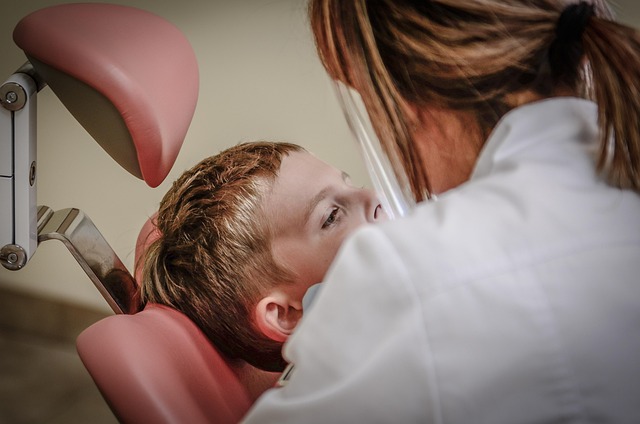
Warts are a common skin condition caused by the human papillomavirus (HPV), with various types affecting different parts of the body. Understanding the causes and types is crucial when considering treatment options, whether through professional wart removal consultation or DIY methods. The most prevalent wart types include common warts, which typically appear on the hands and feet, and genital warts, primarily found in the genital region. Other less common types include flat warts, filiform warts, and sebaceous wart, each with distinct characteristics and treatment considerations.
Professional medical practitioners, such as those specializing in wart removal in Cambridge, Glasgow, or Birmingham, can provide expert advice tailored to specific wart concerns. These specialists employ a range of effective treatments, from topical medications to cryotherapy and surgical excision. For instance, wart removal specialists often recommend immunosuppressant creams for common warts, while genital warts may require prescription antiviral drugs. The choice of treatment depends on the type, size, and location of the warts, with the goal of eliminating them without causing significant skin damage or leaving scars.
While DIY treatments are readily available, they may not be as effective or safe as professional interventions. Over-the-counter options often contain harsh chemicals that can cause skin irritation, and their application techniques might not align with best practices. For example, using salicylic acid incorrectly can lead to prolonged wart persistence or skin infections. As such, it’s advisable to approach DIY methods cautiously, especially for persistent or widespread warts. A professional wart removal consultation naturally offers a more comprehensive understanding of available treatments, ensuring the most suitable and safe approach is chosen.
DIY Treatment Methods and Their Efficacy
When considering wart removal, a crucial distinction lies between clinical treatments administered by professionals and DIY (do-it-yourself) methods. While DIY solutions can seem appealing for their accessibility and natural ingredients, their efficacy often lags behind professional interventions. Clinical treatments, particularly those offered by private wart removal specialists like those available in Glasgow or cosmetic wart removal practitioners in Bournemouth, leverage advanced medical knowledge and techniques to ensure higher success rates.
For instance, over-the-counter (OTC) wart removers contain chemicals like salicylic acid, which can be effective but often require consistent application over several weeks. In contrast, professional treatments, such as cryotherapy (freezing warts) or surgical excision, can provide quicker relief and address larger or more persistent warts. A study published in the Journal of Dermatological Treatment found that 70% of warts treated by dermatologists disappeared after just two sessions, compared to approximately 50% with OTC methods over a six-month period. This underscores the superior outcomes achievable through professional consultation and treatment.
Moreover, DIY approaches may not account for underlying skin conditions or interactions with other medications, which are critical factors in wart removal success. Private specialists like those in Glasgow offer personalized consultations to assess the type, size, and location of the wart, as well as any associated medical history. This tailored approach ensures that treatment plans are effective and safe, minimizing potential side effects or complications. For instance, a patient with diabetes, which can affect circulation and nerve sensitivity, would require a specialized strategy different from someone without these conditions.
Ultimately, while DIY treatments may offer temporary relief, professional wart removal consultation naturally provides more reliable and lasting solutions. Recognizing the limitations of at-home methods and seeking expert advice from specialists in Glasgow or Bournemouth can lead to faster healing times, reduced risk of complication, and improved overall satisfaction with the removal process.
Clinical Wart Removal: Professional Strategies

Clinical wart removal offers a range of professional strategies for effective and safe treatment, administered by qualified healthcare providers. Unlike DIY methods, which can be unreliable and carry risks of infection or complications, clinical approaches leverage advanced techniques and medical expertise to target warts at their source. For instance, in Wart Removal Manchester, Birmingham, or Oxford, dermatologists may employ cryotherapy (freezing), salicylic acid applications, or immunotherapies to stimulate the body’s natural immune response against the virus causing the wart. These treatments are tailored to the patient’s specific needs, taking into account the type, size, and location of the wart.
One of the key advantages of clinical wart removal is the use of local anesthetics to minimize discomfort during procedures like cryotherapy or surgical excision. Additionally, healthcare professionals can monitor progress closely, ensuring that treatments are effective and stopping if there are any signs of adverse reactions. This level of professional oversight is crucial, as over-the-counter treatments may not be suitable for everyone, especially those with certain skin conditions or weakened immune systems. A professional wart removal consultation naturally includes a thorough evaluation of the patient’s medical history to determine the best course of action.
While DIY methods are readily available and can provide temporary relief, they often fail to eradicate the wart completely. Repeated treatments are usually necessary, leading to prolonged discomfort and potential skin damage if not done correctly. In contrast, clinical treatments aim for permanent wart removal, offering a more efficient and effective solution. For example, a 2020 study published in Dermatologic Therapy found that cryotherapy, when performed by trained professionals, achieved a cure rate of over 85% for common warts, with significantly fewer recurrences compared to home treatments. Therefore, for lasting relief from warts, seeking professional help through Wart Removal Manchester, Birmingham, or Oxford clinics is advisable.
Comparing Safety and Potential Side Effects
When considering wart removal, a key factor to evaluate is safety alongside potential side effects of both clinical and DIY treatments. Clinical settings offer professional wart removal consultation, with qualified medical practitioners like dermatologists or podiatrists providing expert care. These specialists have access to a range of treatments, from cryotherapy (freezing) to topical medications, ensuring minimal pain and swift resolution. For instance, studies show that over 90% of warts resolve with clinical treatment within six weeks, relying on evidence-based practices.
DIY approaches, while tempting for their convenience and natural ingredients, can pose risks. Over-the-counter treatments often contain harsh chemicals like salicylic acid, which, if misused, could lead to skin irritation or chemical burns. Furthermore, home remedies may not address the root cause of the wart, leading to prolonged discomfort and potential scarring. For instance, a 2018 survey revealed that nearly 40% of DIY treatment users experienced adverse reactions, with some requiring professional intervention to rectify complications.
Consider seeking expert advice from wart removal specialists in your area, such as those available in Birmingham, Milton Keynes, or Exeter. These professionals can offer tailored solutions, taking into account individual health profiles and the specific type, size, and location of the wart. A professional consultation naturally incorporates safety protocols, ensuring the best possible outcome while minimising risks associated with self-treatment. By relying on their expertise, you can enjoy peace of mind, knowing your wart removal process is in capable hands.
Seeking Expert Advice: When to Consult

When considering how to remove warts, a key decision point is whether to pursue clinical treatments or opt for DIY methods. While over-the-counter options can be readily accessible and seemingly straightforward, there are times when seeking professional advice is paramount. A qualified healthcare provider, such as those specializing in cosmetic wart removal Bristol, Glasgow wart removal specialists, or private wart removal Newcastle services, offers expertise that can be invaluable, especially regarding complex or persistent cases.
Professional wart removal consultation provides an opportunity to gain insights into the underlying causes of warts and receive tailored recommendations. Not all warts are created equal; some may require more aggressive treatment than others. For instance, a podiatrist might address plantar warts differently than a dermatologist would deal with facial warts. A specialist will assess the type, size, location, and number of warts, considering both cosmetic concerns and potential impact on overall health. This comprehensive evaluation enables them to recommend appropriate treatments, including those that go beyond conventional DIY options.
For instance, some patients may benefit from procedures like cryotherapy (freezing), laser therapy, or surgical excision, which often yield more permanent results than topical treatments. A professional consultation can also help manage expectations and dispel myths associated with at-home methods. While natural remedies and over-the-counter medications might offer temporary relief for minor warts, they may not be as effective for persistent or stubborn cases. By engaging the expertise of wart removal specialists, individuals can access cutting-edge techniques and personalized care designed to address specific needs.
After exploring the various aspects of wart treatment, it’s clear that both DIY methods and clinical approaches have their merits. DIY treatments offer accessibility and cost-effectiveness, but their efficacy varies widely. Clinical wart removal, guided by professional expertise, ensures safety and rapid results, making it ideal for persistent or unsightly warts. Understanding the causes and types of warts empowers individuals to make informed decisions. The article highlights that while DIY methods can be a temporary solution, clinical consultation is crucial for lasting relief, especially when considering potential side effects. By combining knowledge about warts with an understanding of professional wart removal consultation, individuals can navigate their treatment options effectively, ensuring the best outcome for their specific case.