
Professional wart removal consultation is key to effective treatment. With over 100 types, caused by HPV, warts require tailored care. Advanced techniques like laser therapy, topical treatments, and cryotherapy offer less invasive options. Consultants assess wart type, size, location, and medical history for personalized plans. Post-treatment care, regular checkups, and prevention strategies minimize reoccurrence. Specialists in UK cities provide advanced solutions, ensuring successful, safe removal.
Warts are a common skin concern, yet effective treatment options can be elusive for many. This comprehensive guide aims to demystify advanced wart treatments, empowering individuals to take control of their skin health. While over-the-counter solutions may offer temporary relief, persistent or complex warts often require professional intervention. This article delves into the latest techniques, from topical medications to specialized procedures, ensuring a thorough exploration of options available through expert wart removal consultation. By understanding these advanced treatments, readers can make informed decisions towards achieving clear and healthy skin.
- Understanding Warts: Types, Causes, and Common Triggers
- Traditional vs. Advanced Wart Treatment Methods
- Professional Diagnosis: Evaluating Wart Removal Options
- Targeted Topical Treatments for Advanced Cases
- Surgical Interventions: When and How to Proceed
- Post-Treatment Care and Prevention Strategies
Understanding Warts: Types, Causes, and Common Triggers
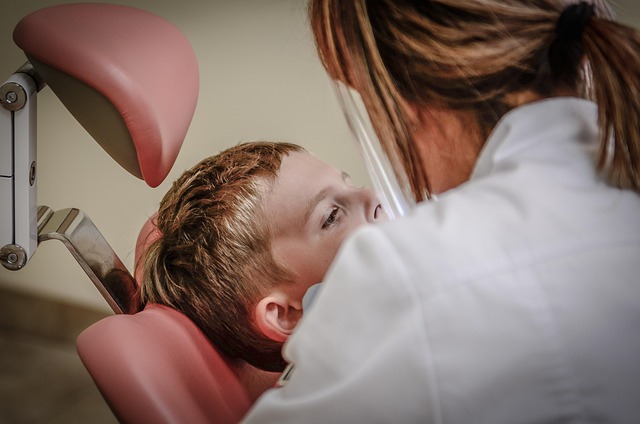
Warts are a common skin condition that can affect people of all ages and backgrounds. Understanding their types, causes, and triggers is a crucial first step in managing and treating them effectively. There are numerous types of warts, including common warts, plantar warts, genital warts, and flat warts, each with distinct characteristics and causes. For instance, common warts, often appearing as small, rough bumps on the hands or face, are typically caused by the human papillomavirus (HPV). Plantar warts, on the other hand, develop on the soles of the feet and can cause discomfort during walking or running.
The development of warts is primarily attributed to HPV infection, with over 100 types of HPV known to infect the skin. Certain factors can increase the risk of wart development, including weakened immune systems, poor hygiene, and direct contact with infected individuals or surfaces. For example, a study published in the British Journal of Dermatology found that individuals with compromised immune systems are up to six times more likely to develop warts than those with healthy immune functions. This highlights the importance of addressing underlying health conditions when managing warts.
Professional wart removal consultation is an essential step for effective treatment, especially for persistent or unsightly warts. Services like private wart removal in Leeds, Wart Removal Edinburgh, and cosmetic wart removal Bristol offer specialized care tailored to individual needs. These professional services employ various treatments, including topical medications, cryotherapy (freezing), and surgical excision, depending on the type, size, and location of the wart. A qualified dermatologist can guide patients through the best course of action, ensuring safe and efficient wart removal while minimizing scarring or side effects.
Traditional vs. Advanced Wart Treatment Methods

Warts, those small, rough growths on the skin, have long been a source of concern for many. While traditional treatments like cryotherapy (freezing) and surgical excision have been common practices, advancements in dermatology offer a broader spectrum of effective solutions. This section delves into the evolution of wart treatment methods, highlighting the disparities between traditional and advanced approaches to provide readers with an informed perspective on achieving smooth, wart-free skin.
Traditional methods, while effective, often come with certain drawbacks. Cryotherapy, for instance, can cause pain and potential skin damage, especially in sensitive areas. Surgical excision, though swift, leaves scars and requires a longer recovery period. In contrast, advanced treatments focus on less invasive techniques with improved patient comfort and aesthetic outcomes. Laser therapy, for example, has gained popularity for its precision and ability to target warts without damaging surrounding healthy skin. This method is particularly beneficial for face and sensitive body parts, ensuring a professional wart removal consultation leads to the best-suited approach.
Private wart removal services in cities like Cambridge, Cardiff, and Reading have embraced these advancements, offering patients more options tailored to their needs. For instance, topical treatments using immune-stimulating medications can be an at-home solution, saving time and costs. In-office procedures such as electrocauterization (burning off warts) and radiofrequency ablation (using heat to destroy skin growths) are also less painful alternatives to cryotherapy. These modern approaches not only enhance the effectiveness of wart removal but also prioritize patient comfort and cosmetic outcomes, ensuring individuals can confidently reclaim their smooth, wart-free skin.
An expert’s perspective is invaluable when navigating these options. Dermatologists recommend a comprehensive evaluation by qualified professionals to determine the most suitable treatment plan. With proper care and guidance, warts can be successfully treated, providing relief and restoring confidence.
Professional Diagnosis: Evaluating Wart Removal Options

When it comes to advanced wart treatments, a professional diagnosis is an indispensable first step. This involves a detailed evaluation by specialized healthcare providers, such as dermatologists or certified podiatrists, who possess in-depth knowledge of various wart removal techniques. During this consultation, patients can expect a thorough examination of the affected area, including the type, size, and location of the wart(s). The expert will also consider medical history, rule out potential infections, and discuss the patient’s concerns or symptoms. This meticulous process is crucial in determining the most effective treatment plan tailored to individual needs.
For those seeking efficient wart removal near Reading or specialist services in Cardiff and Bournemouth, accessing professional consultations is essential. Local clinics staffed by experienced specialists offer advanced diagnostic tools and a range of treatment options. For instance, cryotherapy, using liquid nitrogen to freeze warts, has shown high success rates but may require multiple sessions. Alternatively, topikal immunomodulators can stimulate the body’s immune response, making them suitable for various wart types. Laser treatments are another innovative option, offering precise removal with minimal side effects. These specialists can guide patients through these choices, ensuring informed decisions based on individual circumstances.
A professional wart removal consultation provides several key advantages. It ensures accurate diagnosis and rules out similar-looking skin conditions or infections. Additionally, it offers personalized recommendations, considering factors like wart persistence, patient comfort, and potential side effects. Regular follow-up appointments can monitor progress and make adjustments to the treatment strategy if needed. This holistic approach maximizes the chances of successful wart removal while prioritizing patient safety and satisfaction.
Targeted Topical Treatments for Advanced Cases

For advanced wart cases, targeted topical treatments offer a robust solution, often requiring a more tailored approach than over-the-counter methods. This is where professional wart removal consultation becomes pivotal. A dedicated specialist can provide expert advice and safe, effective remedies suitable for hard-to-treat warts. For instance, salicylic acid, a common active ingredient, might be prescribed in higher concentrations for persistent warts, though regular application and patient compliance are crucial for success.
When considering private wart removal Leicester or seeking cosmetic wart removal Bristol, it’s essential to consult specialists who can assess the severity and type of warts accurately. Specialists in Leicester and Bristol are well-placed to offer advanced treatments such as cryotherapy (freezing) for stubborn warts, particularly on sensitive areas like hands and feet. This procedure is usually quick, relatively painless, and effective, but it may require repeated sessions. Laser treatment is another sophisticated option, especially for complex cases or when other methods have failed.
Wart removal specialists in these cities also emphasize the importance of a comprehensive understanding of wart causes and patient history. They can guide patients on preventing future warts by addressing underlying issues such as immunosuppression or poor hygiene. In addition to specialized treatments, maintaining good skin care practices and adopting natural remedies recommended during professional consultations can significantly aid in wart removal and prevention.
Surgical Interventions: When and How to Proceed

When considering advanced wart treatments, surgical interventions offer a range of options for persistent or complex warts. While it may seem like a drastic measure, professional wart removal consultation can help determine the most suitable surgical approach. This is particularly true in cases where conventional treatments have been ineffective or when warts are causing significant discomfort or disfigurement.
Wart removal specialists in cities such as Liverpool, Newcastle, and Edinburgh are equipped with advanced techniques to address these challenges. For example, cryosurgery involves freezing the wart with liquid nitrogen, a method effective for surface warts but may require multiple treatments. Laser surgery, on the other hand, uses concentrated light beams to burn off warts, suitable for deeper-seated or larger growths. In some instances, surgical excision—physically cutting out the wart—is employed, especially for warts affecting sensitive areas like fingers or toes.
Before proceeding with any surgical intervention, a detailed consultation with a specialist is crucial. They will assess the type, size, and location of the wart(s) and discuss potential risks and benefits. This comprehensive approach ensures that patients receive tailored treatments, enhancing the likelihood of successful wart removal while minimising complications. It’s important to trust this process, as expert specialists can provide accurate diagnoses and recommend the most appropriate surgical method for individual cases.
Post-Treatment Care and Prevention Strategies

Post-treatment care and prevention strategies play a crucial role in achieving long-term success after professional wart removal. The initial phase post-treatment requires careful attention to ensure proper healing and reduce the risk of reoccurrence. For instance, keeping the treated area clean and dry is paramount, avoiding strenuous activities that might irritate the skin for at least two weeks following the procedure. In some cases, especially with cosmetic wart removal in Milton Keynes or Birmingham, patients may experience mild discomfort or redness; applying a cold compress can offer relief.
It’s important to follow up with your healthcare provider as advised, particularly if there are signs of infection or if warts persist beyond the expected healing time. Regular professional check-ups, especially for those who have undergone wart removal near me Leeds, can provide an opportunity to address any concerns promptly and ensure optimal outcomes. During these visits, providers may assess the treated area, clean it if necessary, and offer guidance on maintaining good hygiene practices.
Prevention is a key consideration in managing warts effectively. This includes practicing good personal hygiene, keeping nails short and clean, and avoiding direct contact with warts from others or contaminated surfaces. Additionally, for individuals prone to recurrent warts, considering regular professional consultations can help in identifying and treating potential new growths early on. For instance, data suggests that consistent follow-up care can significantly reduce the likelihood of wart reoccurrence, emphasizing the importance of adhering to a comprehensive post-treatment care plan.
By delving into the various aspects of wart treatment, this comprehensive guide has equipped readers with a robust understanding of advanced options. Key insights include recognizing different wart types, their causes, and common triggers, which are foundational to effective management. Comparing traditional to advanced treatment methods allows for informed decisions about suitable approaches. Professional diagnosis is underscored as crucial, emphasizing the importance of expert evaluation for optimal removal strategies. Targeted topical treatments, surgical interventions, and post-care routines offer practical solutions for advanced cases. Additionally, prioritizing prevention through professional wart removal consultation ensures proactive health management. This guide’s authority lies in its synthesis of diverse treatment modalities, empowering readers to navigate their options with confidence.