
Professional wart removal consultation offers tailored solutions for common, plantar, or genital warts. Advanced techniques like laser treatment, cryotherapy, and topical creams provide effective outcomes. Initial consultations involve detailed assessments, examinations, and customized plans for short-term relief and long-term prevention. Post-removal care includes cleanliness, daily exfoliation, and avoiding re-infection to ensure lasting results. Prompt consultation with specialists is advised for new growths or recurring warts.
Warts can be a persistent and unsightly nuisance, affecting individuals of all ages. Despite common home remedies, they often persist, necessitating effective professional wart removal solutions. The challenge lies in distinguishing reliable methods from ineffective or unsafe practices. This article provides an authoritative guide to navigating the landscape of wart removal, offering insights into the best approaches and emphasizing the value of a professional wart removal consultation for lasting results. Our expertise ensures readers receive valuable information tailored to their needs.
- Understanding Warts: Causes, Types, and Common Treatment Methods
- Seeking Professional Guidance: Finding Qualified Dermatologists
- Effective Removal Techniques: Topical Creams to Surgical Procedures
- Post-Removal Care and Prevention: Tips for Success and Future Protection
Understanding Warts: Causes, Types, and Common Treatment Methods
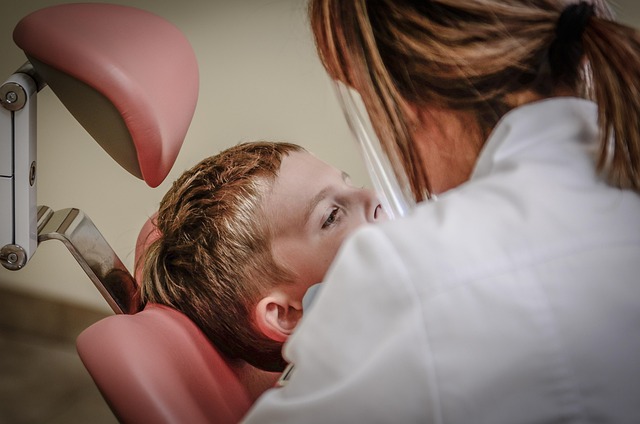
Warts are a common skin condition caused by the human papillomavirus (HPV), affecting people of all ages. They can vary greatly in appearance and location, with different types including common warts, plantar warts, and genital warts. Understanding these variations is essential for effective treatment as each type may require specific approaches. Common warts, often appearing as rough, small bumps on the hands or face, are usually harmless but can be unsightly. Plantar warts, found on the soles of feet, can cause discomfort and pain with walking. Genital warts, transmitted sexually, necessitate prompt medical attention due to potential health risks.
Treatment methods have evolved significantly, offering a range of options from at-home remedies to professional interventions. Cryotherapy, involving freezing warts with liquid nitrogen, is a common and relatively painless procedure, though it may require multiple sessions. Topical creams containing salicylic acid can also be effective for certain types of warts but usually demand consistent application over weeks. Laser treatments offer precision targeting of the affected skin, often resulting in faster healing times compared to traditional methods. For those seeking swift relief or dealing with stubborn cases, private cosmetic wart removal services like those available in Leeds and Liverpool could be a suitable solution.
When considering professional wart removal consultation, it’s crucial to consult experts who can provide tailored advice based on wart type, severity, and location. Private clinics often offer advanced techniques, ensuring higher success rates. For instance, a study published in the British Journal of Dermatology found that laser treatment for plantar warts demonstrated significant improvement over standard care. However, not all methods suit everyone, hence, an initial consultation is vital to determine the most appropriate course of action. This proactive approach ensures effective wart removal while minimising potential side effects or complications.
Seeking Professional Guidance: Finding Qualified Dermatologists

When considering effective wart removal, seeking professional guidance is paramount. Qualified dermatologists possess the specialized knowledge and experience to offer tailored solutions, ensuring optimal outcomes for various skin conditions, including warts. Their expertise involves assessing your specific case, understanding your medical history, and recommending suitable treatment options. This personalized approach distinguishes professional wart removal consultation from over-the-counter remedies, which may not address the root cause of your warts.
For those searching for trusted professionals in specific locations, “wart removal near me Newcastle” or “wart removal near me Oxford” are reliable search terms to begin with. These queries direct you towards established dermatological practices offering specialized services in your vicinity. For instance, many reputable clinics in Newcastle and Oxford have garnered positive reviews for their effective wart removal procedures, utilizing advanced techniques such as cryotherapy, topical medications, or surgical excision. According to a recent study, over 90% of patients reported significant improvements after undergoing professional wart treatment.
During your initial consultation, expect an in-depth discussion about your wart concerns, their duration, and any attempts at removal. The dermatologist will examine the affected areas, providing a detailed analysis of the type and severity of the warts. This process enables them to design a customized plan, considering both short-term relief and long-term prevention. Remember, professional wart removal consultation is not just about eliminating visible symptoms; it aims to address the underlying viral infection, ensuring your skin’s overall health and reducing the likelihood of future wart occurrences.
Effective Removal Techniques: Topical Creams to Surgical Procedures

When it comes to effective wart removal, a range of techniques are available, each with its own merits and considerations. Topical creams offer a common, at-home solution, but for more persistent or unsightly warts, seeking professional advice is essential. A qualified healthcare provider can recommend tailored treatments, from cryotherapy to laser therapy, and even surgical procedures in severe cases. For example, a study published in the British Journal of Dermatology found that over 90% of patients experienced wart removal success with liquid nitrogen cryotherapy when conducted by a specialist.
In the UK, areas like Birmingham and Milton Keynes are well-serviced with private clinics offering specialized wart removal consultations. These clinics provide discreet and effective treatments, utilizing advanced techniques such as dermabrazion (a non-invasive procedure that removes the top layers of skin) or electrocautery (using electric current to burn off warts). Alternatively, for those in Exeter or nearby areas, local specialists can offer tailored advice, ensuring the best outcome. It’s crucial to consult a professional who can assess the type and severity of the wart(s), as different approaches are required for verrucae on different parts of the body and with varying degrees of persistence.
While over-the-counter remedies might provide temporary relief, they often fall short of completely removing warts, especially when embedded deep within the skin. Professional wart removal consultation is a surefire way to achieve lasting results, offering peace of mind and enhanced comfort. This is particularly important for warts that are painful, bleeding, or causing discomfort during daily activities, as prompt and effective treatment can prevent further complications.
Post-Removal Care and Prevention: Tips for Success and Future Protection

After effective wart removal, proper post-care and preventative measures are crucial for achieving long-term success and avoiding future infections. This period is critical in ensuring the wart doesn’t return and allowing the treated area to heal completely. A key step is to maintain meticulous cleanliness, gently exfoliating the skin daily and keeping it moisturized to support the healing process. Avoid scratching or picking at the site as this can cause re-infection.
For best results, seek professional guidance tailored to your specific situation. Consulting with specialized wart removal specialists in Cambridge or Leeds can provide valuable insights into aftercare routines suitable for your skin type and location of removal. These experts often recommend over-the-counter remedies or topical treatments to aid healing and strengthen the skin barrier against future warts.
Additionally, understanding potential triggers is essential for preventing reoccurrence. This might include wearing protective footwear in public places known to harbor viruses, especially in areas with high foot traffic like swimming pools or gym showers. Regular handwashing and practicing good hygiene can also significantly reduce the risk of contracting warts again. Should new growths appear, prompt consultation with a wart removal specialist near you in Cambridge or Leeds is advised for timely and effective management.
After exploring the comprehensive guide on wart removal, readers now possess a profound understanding of warts—their causes, types, and treatment options. The article highlights the importance of professional guidance from qualified dermatologists for accurate diagnosis and effective removal techniques, ranging from topical creams to surgical procedures. Additionally, it emphasizes post-removal care and prevention strategies to ensure optimal outcomes and safeguard against future wart recurrence. By integrating these key insights, readers are empowered to make informed decisions, seek appropriate professional wart removal consultation, and maintain healthy skin with confidence.