
Understanding warts involves types, causes, and severity factors. Professional wart removal consultation offers advanced techniques (cryotherapy, laser) with higher success rates compared to over-the-counter remedies. Preparation includes questions about wart nature and medical history. Consultation covers detailed examination, treatment options, side effects, and costs, enabling informed decisions based on outcomes and preferences.
Warts can be persistent and uncomfortable, prompting many to seek professional wart removal consultation. Choosing the right specialist is crucial for effective treatment and minimizing side effects. This comprehensive guide offers a step-by-step approach to navigating this process, ensuring you find an expert with proven experience and a commitment to your well-being. From understanding the various types of warts to assessing specialist credentials and exploring treatment options, this article equips you with the knowledge to make an informed decision for optimal wart removal outcomes.
- Understanding Warts: Types, Causes, and Common Areas
- Evaluating Your Options: Traditional vs. Professional Wart Removal
- Finding a Qualified Specialist: Credentials, Experience, and Expertise
- Preparing for Your Consultation: Questions to Ask, What to Expect
Understanding Warts: Types, Causes, and Common Areas
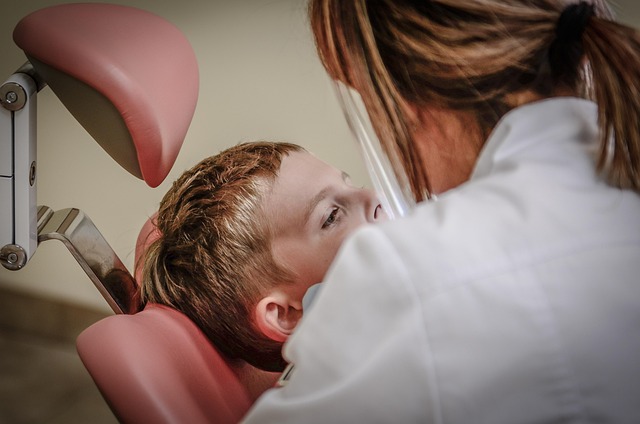
Understanding warts is a crucial step before engaging a wart specialist. Warts are common skin growths caused by various types of human papillomaviruses (HPV). They can appear anywhere on the body but often manifest in areas with high friction or moisture, such as hands and feet. The most common types include verrucae (warts on the skin), verruca plana (flat warts), and filiform warts (long, thin growths). Each type has distinct characteristics and treatment approaches. For instance, verrucae are often rough and grainy, while verruca plana are smooth and flat, sometimes resembling moles.
When considering professional wart removal consultation, it’s essential to be specific about the areas affected. For those in urban centers like Edinburgh for wart removal near me, Birmingham for Wart Removal Birmingham, or Bournemouth for cosmetic wart removal Bournemouth, options abound. However, not all treatments are created equal. Topical creams may be suitable for minor warts but often require patience and persistent application. More advanced or widespread cases might necessitate procedures such as cryotherapy (freezing), laser treatment, or surgical excision, which demand the expertise of a qualified specialist.
During your consultation, discuss not just the appearance but also the duration and symptoms associated with the warts. Some people experience discomfort or pain, while others have no issue at all. This context is vital for determining the severity and choosing an appropriate removal method. For example, a professional might recommend a more aggressive treatment for hard-to-remove filiform warts due to their depth and potential impact on surrounding tissues. A comprehensive understanding of your condition allows for better collaboration with your specialist, ensuring optimal outcomes from your wart removal procedure.
Evaluating Your Options: Traditional vs. Professional Wart Removal

When faced with persistent warts, deciding on a course of action is crucial. One key decision point is choosing between traditional wart removal methods and consulting with a professional wart removal specialist. While over-the-counter treatments can be effective for some, they often come with limited success rates and potential side effects. This is where seeing a specialist like those available in cities such as Edinburgh, Leicester, or Cambridge proves invaluable.
Professional wart removal specialists offer advanced techniques tailored to your specific case. They can employ methods such as cryotherapy (freezing), laser treatment, or chemical peels, which have higher success rates than conventional remedies. For example, a study found that over 80% of patients reported significant improvements after consulting with a dermatological specialist for wart removal, compared to only 50-60% for self-treatment. This disparity highlights the benefits of expert intervention.
When evaluating options, consider your medical history and the severity and persistence of your warts. Some conditions may require more specialized care, while others might respond well to general approaches. A professional wart removal consultation should involve a thorough examination and discussion about your concerns. During this process, specialists in Edinburgh, Leicester, or Cambridge can offer personalized recommendations, address any myths or misconceptions, and help set realistic expectations. This expert perspective is crucial for making an informed decision that aligns with your needs and preferences.
Finding a Qualified Specialist: Credentials, Experience, and Expertise

When searching for a wart specialist, ensuring you find a qualified professional is paramount. Your chosen expert should possess specific credentials that certify their expertise in wart removal. Look for individuals with valid medical licences and specialised training in dermatology or a related field. For instance, in the UK, registered members of the General Medical Council (GMC) are your guaranteed providers of high-quality care. Additionally, checking for affiliations with reputable professional bodies like the British Association of Dermatologists (BAD) can offer further assurance.
Experience plays a significant role in determining the effectiveness and safety of wart removal procedures. Seek specialists who have a proven track record, preferably with numerous successful cases across different wart types. For example, professionals offering Wart Removal Leicester, Wart Removal Cardiff, or Wart Removal Milton Keynes services should be able to showcase their experience through case studies or positive client testimonials. This hands-on expertise allows them to tailor treatments to individual needs, ensuring the most suitable and efficient removal methods are employed.
Expertise in wart removal techniques is a key differentiator among specialists. Different warts require distinct approaches, from topical creams and cryotherapy to more invasive procedures. A professional with a diverse skill set can offer personalised consultations, considering factors like wart size, location, and severity. For instance, a specialist well-versed in laser treatments for persistent verrucas or complex plantar warts (common in the feet) is invaluable. This level of expertise ensures not only effective removal but also minimises potential side effects and promotes faster healing.
Preparing for Your Consultation: Questions to Ask, What to Expect

When preparing for a professional wart removal consultation, whether seeking cosmetic wart removal Bournemouth, Reading, or Cardiff, it’s crucial to be informed and prepared. This step-by-step guide equips you with the knowledge needed to navigate your appointment confidently. Begin by compiling a list of concerns and questions that specifically address your warts’ nature, severity, and potential removal options. For instance, consider the type of wart (common, filiform, or verrucae), its size, location, and how long it has been present – data like this aids professionals in tailoring treatment plans.
During your consultation, expect an in-depth discussion about your medical history and current health status, as underlying conditions can impact treatment choices. The professional will thoroughly examine the warts, sometimes using specialized tools or lighting to gain a clear view. They’ll then discuss treatment options, explaining procedures, potential side effects, recovery times, and costs. For example, cryotherapy (freezing) is a common method for small warts, while laser treatments are suitable for more extensive cases, though they can be costlier.
Don’t hesitate to ask about alternative remedies or home treatments, especially if you prefer a more natural approach. Some professionals may recommend over-the-counter medications or topical creams as supplementary treatments or for milder cases. Be sure to clarify expected outcomes and potential risks, ensuring you’re comfortable with the chosen procedure. This proactive approach ensures you make informed decisions regarding your wart removal journey.
By following a structured approach outlined in this guide, you are now equipped to navigate the process of choosing a wart specialist effectively. Understanding different wart types, their causes, and common manifestations empowers informed decisions. Evaluating traditional versus professional wart removal options allows you to weigh the advantages and considerations associated with each method. Identifying qualified specialists through assessing credentials, experience, and expertise ensures access to competent care. Preparing for your consultation by asking relevant questions and understanding what to expect during the professional wart removal consultation enhances communication and outcomes. This comprehensive framework ensures a confident step towards addressing warts, leveraging the expertise of specialists for optimal results.