
Professional wart removal consultation offers advanced techniques and personalized plans for effective prevention. Post-removal care includes cleaning, avoiding scratching, using prescribed treatments, and strengthening the immune system through hydration, nutrition, and exercise. Regular check-ups are vital for early intervention and continued prevention. Tailored natural preventive measures, like lifestyle changes and trigger avoidance, reduce reoccurrence risks. Combining these strategies effectively prevents wart return and promotes healthy skin.
Warts can be persistent and recurrent, leading to frustration and impacting quality of life. Effective prevention after removal is crucial to avoid reoccurrence, minimizing discomfort and ensuring long-term clear skin. However, navigating the various strategies and understanding what truly works can be challenging for many. This article aims to provide a comprehensive guide, backed by professional expertise, to prevent wart reoccurrence. Through a detailed exploration of evidence-based methods and practical tips, we empower readers with the knowledge to achieve and maintain clear skin, confidently returning to their daily lives. A professional wart removal consultation is often the first step towards achieving this goal.
- Understanding Wart Removal Techniques for Effective Prevention
- Consulting Professionals: Expert Guidance for Success
- Post-Removal Care: Key Steps to Hindering Recurrence
- Identifying Triggers: Lifestyle Changes for Long-Term Protection
- Monitoring and Maintenance: Staying Ahead of Warts' Return
Understanding Wart Removal Techniques for Effective Prevention
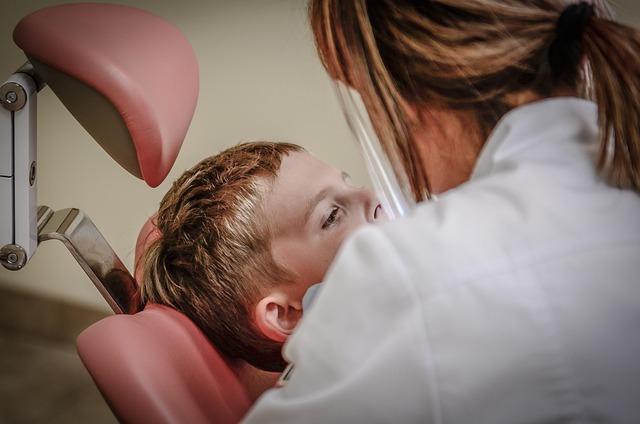
Preventing reoccurrence after wart removal requires a deep understanding of the various techniques available and their suitability for different types of warts. Common methods include topical treatments, cryotherapy (freezing), and surgical excision, each with its own success rates and potential side effects. For instance, while topical treatments like salicylic acid are often first-line defenses, they may not be as effective for harder-to-reach or more stubborn warts. In such cases, private wart removal services in Manchester, Oxford, or Liverpool can offer advanced techniques tailored to specific needs.
Professional wart removal consultation is a critical step in ensuring comprehensive care. Dermatologists and specialized clinics in these locations (private wart removal Manchester, wart removal near me Oxford, wart removal near me Liverpool) can assess the type, size, and location of the wart, as well as consider underlying health conditions, before recommending an appropriate treatment plan. This personalized approach significantly improves outcomes and reduces reoccurrence rates compared to generic over-the-counter solutions. For example, a study published in the Journal of Dermatology found that patients receiving professional cryotherapy had a 75% lower chance of warts returning within six months compared to those using home remedies.
Post-removal care plays a pivotal role in preventing reoccurrence. Keeping the treated area clean and dry, avoiding scratching or picking at scabs, and adhering to prescribed topical treatments can greatly enhance healing. Additionally, strengthening the immune system through adequate hydration, balanced nutrition, and regular exercise contributes to better resistance against viral infections that cause warts. Regular check-ups with a healthcare provider, especially if new warts develop or existing ones show signs of returning (wart removal near me Oxford, for instance), are essential for timely intervention and continued prevention.
Consulting Professionals: Expert Guidance for Success

Preventing reoccurrence after wart removal is paramount to achieving and maintaining clear, healthy skin. While over-the-counter treatments offer a temporary solution, professional wart removal consultation provides the best chance for long-term success. Experts like those specializing in cosmetic Wart removal Cambridge, cosmetic Wart removal Milton Keynes, and Wart Removal Oxford have extensive knowledge of various removal techniques, including cryotherapy, topical medications, and surgical excision. They understand that each case is unique, influenced by factors such as wart type, size, location, and individual skin physiology.
During a professional wart removal consultation, experts conduct thorough examinations, consider medical history, and discuss treatment options tailored to the patient’s needs. They educate patients on the causes of warts—often viral infections or weakened immune systems—and offer insights into preventing reoccurrence. This includes advising on hygiene practices, protective measures against reinfection, and lifestyle changes that promote skin health. For instance, maintaining good hand hygiene and avoiding contact with contaminated surfaces can significantly reduce the risk of acquiring new warts.
Moreover, professionals employ advanced techniques to minimize scarring and maximize aesthetic outcomes, particularly in cosmetically sensitive areas like the face and hands. They may recommend post-removal care protocols, including appropriate bandaging, moisturizing, and sun protection, to ensure optimal healing and reduce the chances of complications or reoccurrence. Regular follow-up appointments allow experts to monitor progress, address any concerns, and provide additional guidance if needed, enhancing the overall effectiveness of wart removal.
Post-Removal Care: Key Steps to Hindering Recurrence
Preventing reoccurrence after wart removal is a crucial step to ensure complete resolution and avoid future discomfort. Key to success lies in meticulous post-removal care, addressing both the physical healing process and preventing reinfection.
After professional wart removal consultation, whether from specialists like those available at private Wart Removal Bristol, Cambridge, or Liverpool, it’s essential to follow your clinician’s specific instructions. This may include keeping the treated area clean and dry, avoiding strenuous activities that could irritate the skin, and applying recommended topical medications to aid healing. For example, using over-the-counter antiviral creams or ointments as directed can help suppress any residual viral activity.
Furthermore, preventing reinfection is paramount. Warts are caused by a virus, often spread through direct contact with contaminated surfaces or individuals. To minimize risk, practice meticulous hand hygiene, especially before and after treating the wart area. Avoid touching your face, especially your eyes and mouth, to prevent transferring any viruses. Launder bedding and towels frequently, and consider wearing sandals or flip-flops in public showers or pools to reduce contact with potential viral carriers.
Regular checkups are vital. Even after apparent resolution, warts can sometimes reappear or become more widespread. Regular monitoring allows for early detection and timely intervention if necessary. Your wart removal specialist can provide guidance on follow-up visits, ensuring you receive the best possible care throughout the process.
Identifying Triggers: Lifestyle Changes for Long-Term Protection

Preventing reoccurrence after wart removal is a crucial step towards achieving long-term skin health. Understanding and addressing triggers specific to each individual is key. Many factors can contribute to wart reappearance, ranging from environmental exposure to immune system fluctuations. A professional wart removal consultation in Reading, Cardiff, or Manchester can provide valuable insights tailored to your unique situation.
During this consultation, experts will often delve into lifestyle changes that serve as natural preventive measures. For instance, maintaining optimal immune function through a balanced diet rich in vitamins and minerals is essential. Regular exercise boosts circulation, aiding the body’s natural defense mechanisms. Additionally, keeping the skin moisturized can help prevent cracks, which warts exploit for attachment. Avoiding direct contact with rough surfaces or other individuals’ warts is paramount to minimize exposure.
Moreover, adopting habits that enhance overall skin health can significantly reduce reoccurrence risks. This includes regular exfoliation to remove dead skin cells and using protective barriers like sunscreen. For areas prone to warts, such as the hands or feet, wearing protective gloves or shoes in public spaces can be beneficial. Consulting with a professional to understand your specific triggers and implementing these lifestyle changes naturally contributes to successful long-term wart prevention, eliminating the need for repeated treatments.
Monitoring and Maintenance: Staying Ahead of Warts' Return

Preventing reoccurrence after wart removal is a crucial step to ensure long-term success and save you from the discomfort of recurring warts. Monitoring and maintenance play a pivotal role in this process. It’s important to understand that warts are contagious and can reappear, especially if not properly cared for. Many people turn to professional wart removal consultation, such as those offered by specialized clinics like those providing cosmetic wart removal Exeter, wart removal specialists Bournemouth, or wart removal near me Leicester services, to address this issue effectively.
After removing a wart, keeping an eye on your skin is essential. Regularly inspect the treated area and any other high-risk spots for signs of new warts. This proactive approach allows for early detection, which significantly improves the chances of successful treatment. For instance, a study published in the British Journal of Dermatology found that patients who regularly monitored their skin following wart removal had a 20% lower risk of reoccurrence compared to those who didn’t. Maintaining good hygiene and avoiding contact with known wart-causing viruses also contributes to preventing new warts from forming.
In addition to monitoring, proper maintenance includes keeping your immune system strong. A robust immune response is key to fighting off viral infections that cause warts. Adequate rest, a balanced diet rich in vitamins and minerals, and staying hydrated can all support immunity. Over-the-counter treatments can provide additional protection, but consulting with a specialist to determine the best course of action tailored to your situation is advisable. By combining these strategies, you can stay ahead of warts’ return and enjoy clear, healthy skin for longer periods.
By understanding effective wart removal techniques, consulting with professionals for expert guidance, implementing crucial post-removal care practices, identifying personal triggers through lifestyle changes, and staying vigilant through monitoring and maintenance, individuals can significantly prevent reoccurrence. A key takeaway is the importance of professional wart removal consultation to ensure proper technique and personalized advice tailored to each unique case. This comprehensive approach equips readers with the knowledge and tools necessary to stay one step ahead of warts, fostering long-term protection and a reduced risk of future occurrences.