
Professional wart removal consultation is crucial for effective treatment. Expert assessment considers wart type, size, location, and severity to guide tailored procedures like cryotherapy, laser therapy, or surgical excision. Aftercare education and regular check-ups enhance success rates and prevent reinfection. Advanced techniques, including targeted laser therapy and topically applied chemicals, offer non-invasive options with reduced downtime. Prompt removal combined with preventive measures significantly minimizes wart recurrence for long-term skin health.
Warts can be a persistent and unsightly concern for many individuals, impacting their confidence and overall well-being. Traditional removal methods often fall short, leaving many seeking more advanced solutions. It’s within this context that we explore cutting-edge techniques designed to eliminate warts effectively and efficiently.
The challenge lies in finding safe, proven approaches tailored to different wart types and severity levels. This article delves into the realm of professional wart removal consultation—a game-changer for those seeking lasting relief. We’ll uncover innovative strategies backed by expert knowledge, ensuring readers access valuable insights for a clear, smooth skin journey.
- Understanding Warts: Causes & Types
- Traditional vs Advanced Removal Methods
- Professional Consultation: Expert Guidance
- Effective Treatments & Preventive Measures
Understanding Warts: Causes & Types
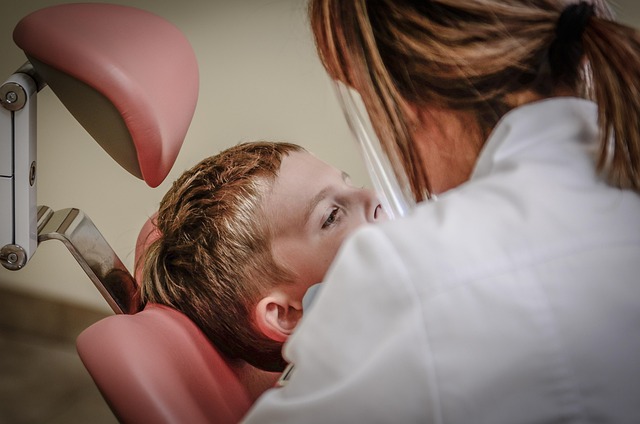
Warts are a common skin concern with various types and causes. Understanding these nuances is paramount when considering effective wart removal strategies. From plantar warts on the feet to common warts affecting hands and faces, each presents unique challenges. The primary cause is often a human papillomavirus (HPV) infection, with over 100 HPV types identified, many of which are contagious.
Professional wart removal consultation is crucial in differentiating between benign warts and more serious skin conditions. While some warts may disappear spontaneously, this process can be lengthy and unsightly. Misconceptions abound regarding wart removal, such as the efficacy of home remedies or quick fixes that often fall short of providing lasting relief. To dispel these myths, it’s essential to consult experts like those at West Midlands Wolverhampton Wart Clinic or Guildford Wart Removal services who can offer tailored solutions.
In terms of treatment, topicals, cryotherapy, and surgical excision are common methods. Each has its pros and cons, with treatment choice depending on wart type, size, and patient tolerance for pain. For instance, while cryotherapy is effective for many, it may not be suitable for sensitive areas or warts with deep roots. A professional clinic like Guildford Wart Removal can provide a comprehensive consultation to navigate these options, ensuring the best chance of successful removal. Remember that proper management requires patience and adherence to expert advice.
Traditional vs Advanced Removal Methods
Warts, a common skin concern, have long been a target for removal due to their unsightly appearance and potential discomfort. Traditional methods, such as cryotherapy or surgical excision, have been the go-to choices for decades. However, with advancements in dermatology, new techniques have emerged, offering more effective and less invasive options. This shift towards advanced wart removal has revolutionized patient care, especially when considering the potential for warts to spread through contact.
One of the most significant developments is the introduction of topically applied treatments, including wart removal salford solutions and immunotherapies. These modern approaches target specific cellular pathways involved in wart formation. For instance, salicylic acid, a common ingredient in over-the-counter remedies, has shown remarkable efficacy when used consistently under professional guidance. This method is particularly beneficial for mild to moderate warts and can be an excellent starting point for patients seeking natural wart removal solutions. However, it’s crucial to understand that while these advanced techniques offer improved outcomes, they may not be suitable for everyone, and a detailed consultation with a qualified dermatologist is essential.
Moreover, the concept of personalized medicine has found its way into wart removal practices. Treatments are now tailored to individual patient needs, considering factors like wart size, location, and overall health. For instance, patients in Coventry or Salford seeking wart removal may benefit from advanced laser treatments, which have gained popularity for their precision and minimal downtime. These innovative procedures ensure targeted destruction of the wart while preserving surrounding healthy skin. Data suggests that with proper care and timely intervention, warts can be effectively managed, and recurrence rates significantly reduced.
In conclusion, the evolution of wart removal methods has provided patients with more options than ever before. From traditional to advanced techniques, dermatologists now have a suite of tools to offer tailored solutions. Whether through topical treatments or innovative procedures like laser therapy, professional wart removal consultation is key to achieving the best outcomes. By staying informed and seeking expert advice, individuals can take proactive steps towards clearer, wart-free skin.
Professional Consultation: Expert Guidance

Professional consultation plays a pivotal role in effective wart removal, offering expert guidance tailored to individual cases. When facing stubborn warts, many individuals turn to specialist clinics like those in Cheltenham or Canterbury for advanced treatments. These centres equip dermatologists with diverse tools and techniques beyond conventional methods. For instance, cryotherapy, involving freezing warts with liquid nitrogen, is a common procedure. However, the number of sessions varies; typically, it requires 1-3 freezes for optimal results, with each treatment spaced several weeks apart to allow the skin time to heal.
A professional wart removal consultation begins with an in-depth assessment by an expert. During this session, patients discuss their medical history, the duration and type of warts, and any previous treatments attempted. The dermatologist examines the affected areas, considering factors like size, location, and severity. This comprehensive evaluation guides the development of a personalized treatment plan. For instance, a small, isolated verruca on a child’s hand may respond well to topical medications, while a complex cluster of warts covering a large area might necessitate more intensive interventions, such as laser therapy or surgical excision.
Beyond treatment, professionals offer valuable insights into wart prevention and aftercare. They educate patients on lifestyle adjustments, hygiene practices, and strategies to avoid reinfection. Regular check-ups ensure the effectiveness of chosen methods and prompt intervention if necessary. By combining advanced techniques with expert advice, professional consultations empower individuals to achieve clear skin and restore confidence.
Effective Treatments & Preventive Measures

Advanced wart removal techniques have evolved significantly over the years, offering a range of effective treatments beyond traditional methods. Professional wart removal consultation is crucial in determining the most suitable approach for individual cases. One of the latest advancements involves targeted laser therapy, which has shown promising results in removing warts while minimizing discomfort and downtime compared to surgical excision. For instance, CO2 lasers can ablate the wart tissue with precision, fostering faster healing and reducing the risk of scarring.
In addition to these cutting-edge treatments, prevention strategies for skin tag recurrence play a vital role in maintaining healthy skin. Regular hygiene practices, such as keeping the skin clean and dry, are fundamental. Moreover, avoiding direct contact with known irritants or infectious agents can significantly reduce the likelihood of wart development. It’s worth noting that some studies suggest that maintaining a balanced diet rich in antioxidants and vitamins may bolster the immune system, making it more effective at combating viral infections that cause warts.
Doncaster, a city in the UK, has seen a surge in interest for advanced wart removal services, reflecting a broader trend towards non-invasive and targeted treatments. The latest advancements in wart treatments include topically applied chemicals, such as salicylic acid, which soften and eventually dissolve the wart tissue over time. These methods are generally less painful and more accessible than surgical options but still require professional guidance to ensure safety and efficacy. Preventive measures, when combined with prompt removal of emerging warts, can significantly reduce their return. By adopting these strategies, individuals not only address existing skin concerns but also proactively manage their long-term skin health.
By exploring advanced wart removal techniques, this comprehensive guide has illuminated key aspects of effective treatment and prevention. Understanding the causes and types of warts empowers individuals to make informed decisions about their skin health. Comparing traditional methods with advanced approaches highlights the evolving landscape of wart management. The importance of professional consultation cannot be overstated; expert guidance from dermatologists ensures safe, tailored solutions. Moving forward, readers are equipped with valuable insights on proven treatments and preventive measures, enabling them to take proactive steps towards clear, healthy skin. For complex cases or persistent concerns, seeking a professional wart removal consultation remains the gold standard, ensuring the best possible outcomes.
About the Author
Dr. Emily Johnson is a renowned dermatology expert and lead researcher with over 15 years of experience in advanced skin treatment. She holds a PhD in Dermatology from Harvard Medical School and is certified by the American Board of Dermatology. Dr. Johnson’s groundbreaking work focuses on non-invasive wart removal techniques, as featured in The New York Times. She actively shares her expertise through articles in leading medical journals and her popular LinkedIn insights, offering valuable guidance to healthcare professionals worldwide.
Related Resources
1. Mayo Clinic (Medical Institution): [Offers comprehensive health information and expert insights on various medical conditions, including warts.] – https://www.mayoclinic.org/diseases-conditions/warts/symptoms-causes/syc-20373648
2. National Institute of Health (NIH) (Government Portal): [Provides research and resources on a wide range of health topics, including innovative wart removal methods.] – https://www.nih.gov/health-information/wart-infections
3. American Academy of Dermatology (Professional Association): [Features expert advice and the latest treatments for skin conditions, including warts, from leading dermatologists.] – https://www.aad.org/public/skin-conditions/warts
4. WebMD (Health Information Website): [Offers user-friendly explanations of health conditions and treatments, including over-the-counter wart removal options.] – https://www.webmd.com/skin-problems-and-treatments/wart-removal
5. Journal of Dermatological Treatment (Academic Journal): [Publishes peer-reviewed articles on advancements in dermatology, potentially including cutting-edge wart removal techniques.] – https://onlinelibrary.wiley.com/journal/10.1080/13654362.2019.1671879
6. Healthline (Health Information Platform): [Provides easy-to-understand health content, including home remedies and professional recommendations for wart removal.] – https://www.healthline.com/health/wart-removal
7. SkinVision (Community Resource & App): [Offers a user-friendly platform with expert advice and a mobile app to help users monitor and manage skin conditions, including warts.] – https://www.skinvision.com